

A dog pacing the living room during dinner is a sign of a restless, unstructured mind. This constant movement often leaves owners feeling stressed and exhausted inside their own homes.
Ready to enjoy a calmer household today? Explore our professional Adolescent & Adult Board & Train program to establish clear boundaries, teach your dog to settle, and restore peace to your home.
Dog place command training teaches your dog to stay on a designated spot, like a cot or mat, until released. Unlike a short stay, it builds mental self-regulation, helping high-energy dogs quiet their minds. This provides a reliable ‘safe zone’ during chaotic moments like guest arrivals or family meals.
Many owners discover their dog’s obedience works during training sessions but falls apart once everyday life becomes busy and distracting. To solve this, you must understand how to transition your dog from simple positions to true passive relaxation. The path begins with clear structure and fair communication.
What is Dog Place Command Training? (And Why Sit-Stay Isn’t Enough)
Many dog owners in the San Francisco Bay Area face a common issue: their dogs can sit or stay for a few seconds to earn a treat, but they cannot relax when real-world distractions occur. This is where dog place command training becomes an invaluable tool. It goes beyond simple obedience to build a calm, cooperative relationship between you and your pet.
Active Commands vs. Passive Relaxation
Standard commands like “sit” or “down” are active behaviors. They tell the dog to assume a physical position and wait for the next command or reward. In contrast, the place command is a passive relaxation command. It sets a physical boundary (a bed, mat, or cot) and instructs the dog to settle down and relax there until they are released.
While an active “stay” command keeps the dog in a high-alert state of anticipation, the place command teaches them they don’t need to participate in everything happening around them. from household activities. The dog learns that as long as they are on their mat, they do not need to worry about what is happening in the room. This makes it an essential tool for busy families in Fremont, Mountain View, or Pleasanton who need their dogs to be part of daily life without constantly demanding attention. For young dogs, introducing this early through puppy obedience training prevents over-arousal habits from forming.
Teaching Self-Regulation and Impulse Control
Good obedience training isn’t about forcing compliance. It’s about teaching dogs how to make better decisions on their own. When a dog is on their place, they must practice dog impulse control. They learn to watch guests enter the home, children play, or food being prepared without reacting or getting up.
This mental exercise is highly exhausting for a dog—often more so than a long walk. By asking your dog to remain on their place for thirty minutes to an hour, you build their mental stamina. They learn to transition from a state of excitement to a state of rest. At Medina Dogs Training, we focus on helping owners communicate these boundaries clearly and fairly, ensuring your dog feels safe and relaxed within this structure.
How Do You Select the Perfect Place Training Boundary?
Before you begin training, you must select the right boundary. The physical characteristics of the place bed have a significant impact on how quickly your dog understands the exercise.
Why Solid Edges Matter
A successful place boundary has a clear, tactile edge. This makes it easy for the dog to recognize when they have made a mistake. If the boundary is too soft or level with the floor, the dog can easily slide off or cheat by placing their paws on the surrounding ground without realizing they have broken the boundary. A distinct edge provides immediate tactile feedback, making the learning process faster and less stressful for the dog. When boundaries are clear, advanced obedience training becomes much easier to master.
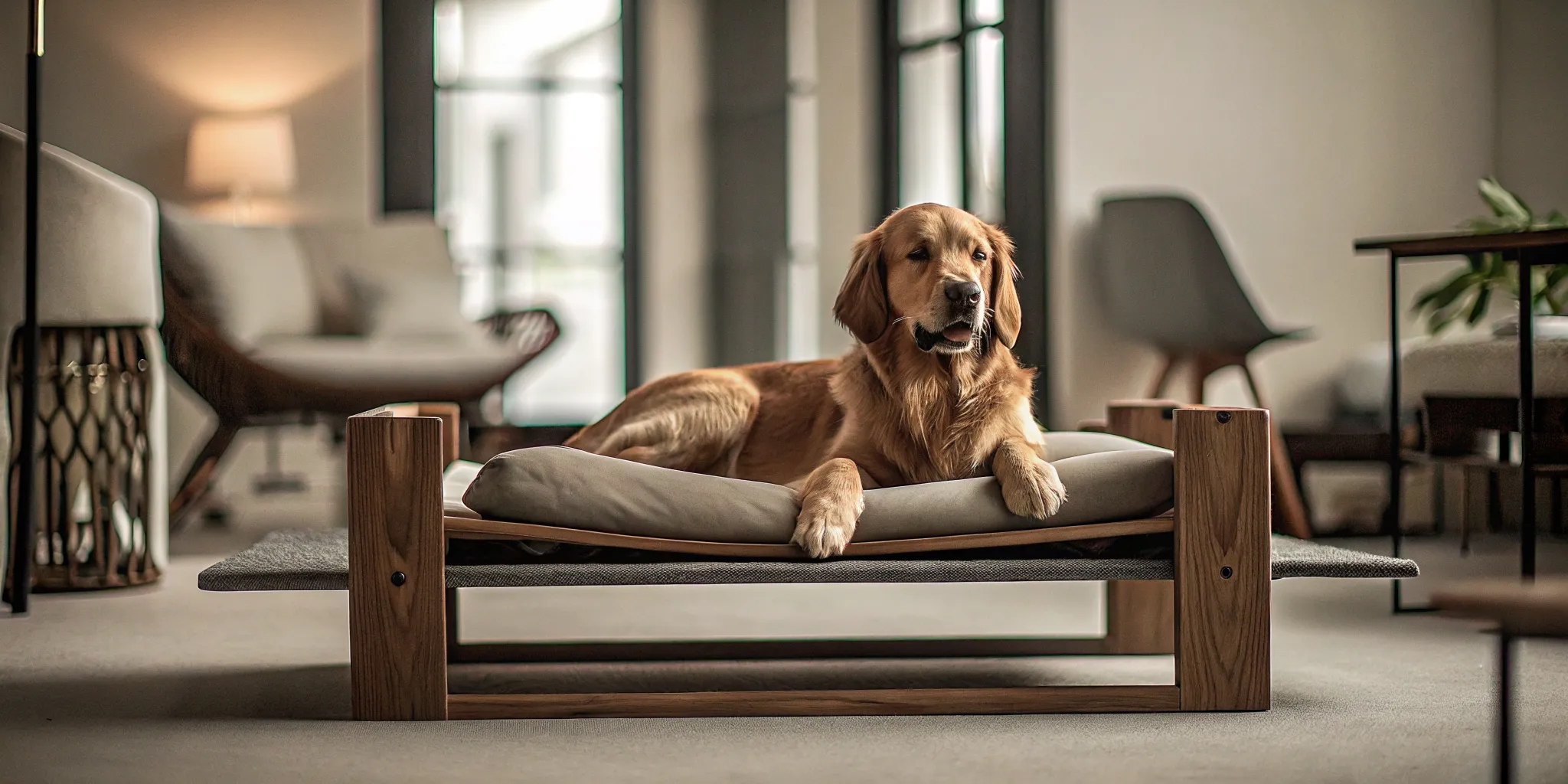
The Benefits of an Elevated Cot
We highly recommend using a raised dog cot (often called a Kuranda bed) for place training. Elevated cots have a firm, durable frame with a tight mesh fabric. The physical drop-off creates an unmistakable boundary: either the dog is on the cot, or they step down onto the floor. This eliminates any gray area during the initial training stages.
Additionally, raised cots stay cool during warm Northern California summers. Unlike plush beds, they do not slide across hardwood floors or bunch up when the dog moves, which helps anxious dogs feel more secure. They are also easy to clean and highly durable, making them the gold standard for professional dog trainers.
Comparing Place Boundaries
To help you choose the best option for your home and lifestyle, consider the table below:
| Boundary Type | Boundary Clarity | Portability | Stability |
|---|---|---|---|
| Raised Dog Cot | High (Clear physical drop-off) | Low (Bulky to transport) | High (Does not slide or bunch) |
| Flat Orthopedic Bed | Medium (Soft edges can compress) | Medium (Fits in a car trunk) | Medium (May shift on tile or wood) |
| Thin Travel Mat or Towel | Low (Virtually level with floor) | High (Rolls up easily) | Low (Bunches up when dog circles) |
Once you select your boundary, place it in a low-traffic corner of your living room or kitchen where your dog can still see the family but is not in the path of movement. Keep the boundary in this exact location until the behavior is fully established. As your dog improves, you can generalize the skill by moving the bed to other rooms or even taking it on trips.
How Do You Start Dog Place Command Training?
Teaching the place command requires a methodical approach. By breaking the training down into simple, progressive phases, you can prevent frustration and ensure your dog enjoys the process.
A Step-by-Step Progression
Keep sessions short—five to ten minutes is plenty. End while your dog is still engaged and successful. Follow these four simple phases to build a reliable boundary stay:
- Phase 1: Luring and Rewarding. Hold a high-value treat near your dog’s nose and gently lure them onto the place bed. The moment all four paws are on the surface, say your marker word (like “yes”) and deliver the treat. Repeat this 10 to 15 times until your dog is eagerly stepping onto the mat to receive their reward. Keep your body neutral and avoid leaning over the bed.
- Phase 2: Naming the Behavior. Now, introduce your verbal cue. Just as your dog begins to step onto the bed, say the word “place” in a calm, clear voice. When they are fully on the surface, mark and reward. This builds a strong association between the verbal command and the physical boundary. Practice this step-by-step progress regularly.
- Phase 3: Building Duration and Distance. Once your dog understands the command, stop luring. Stand next to the bed and say “place.” Reward them for getting up. Now, slowly increase the time they must wait before getting their treat. Start with 3 seconds, then 5, then 10. Next, take a single step away, immediately return, and reward. Gradually build up your distance, always returning to your dog to deliver the reward while they are still on the bed.
- Phase 4: Introducing the Release Word. A place stay is only complete when you say it is. Always use a specific release word, such as “break” or “okay,” to let your dog know they can leave the bed. Toss a treat off the mat as you say the release word to encourage them to step off. Your dog must stay on the place bed until they hear this exact word.
If you want to ensure a smooth transition from training sessions to daily life, we practice these steps in detail during our owner training handoff sessions, giving you the confidence to maintain these results at home.
How Can You Troubleshoot Common Place Training Mistakes?
It is normal to encounter challenges as your dog learns this new boundary. Understanding how to handle mistakes calmly and consistently is key to success.
Preventing Early Boundary Breaks
The most common mistake is allowing your dog to release themselves from the bed without hearing the release word. If your dog steps off early, do not scold them. Simply say a calm correction marker like “no,” pick up their leash, and gently guide them back onto the bed. Do not reward them immediately after putting them back; wait a few seconds so they do not learn that breaking the boundary is a way to get more treats.
Consistency is crucial. If you allow your dog to get off the bed without a release word even once, they will continue to test the boundary. If your pup struggles with basic focus, a structured puppy board and train program can establish the foundational discipline they need.
Solving a Lack of Motivation
If your dog is hesitant to go to their place, the boundary may not have enough positive value. Make the bed a source of high-value rewards. Feed your dog their meals on the place bed, or give them their favorite chew toys and stuffed Kongs only while they are relaxing there. Keep training sessions short, fun, and highly successful. If you are struggling to make progress, our board and train aftercare guide provides extensive tips on maintaining motivation and structure post-program.
Shifting from Stay to Real Calm
If your dog is sitting on the bed but whining, trembling, or staring at you intensely, they are practicing a “stay” rather than relaxing. The goal of place training is a calm state of mind. To encourage relaxation, only reward your dog when they lie down and shift their weight onto one hip. Look for signs of physical relaxation, like a sigh, a head rest, or a relaxed tail. Do not reward high-energy alertness on the bed. For dogs struggling with severe anxiety or reactivity, specialized behavior modification may be necessary to help them achieve a truly peaceful state of mind.
How Do You Integrate the Place Command into Daily Life?
The true value of dog place command training is its ability to turn chaotic household situations into moments of quiet order.
Managing Guests at the Front Door
When the doorbell rings, many dogs rush the door, barking or jumping on visitors. This creates an stressful greeting for both guests and owners. To prevent this, send your dog to their place before opening the door. By giving them a clear job to do, you redirect their excitement into a structured stay. Guests can enter your home calmly without being crowded, and you can release your dog to greet them once everyone has settled down. Your goal isn’t to isolate your dog. It’s to teach them that calm behavior earns the opportunity to participate once everyone has settled.
Creating Calm During Family Meals
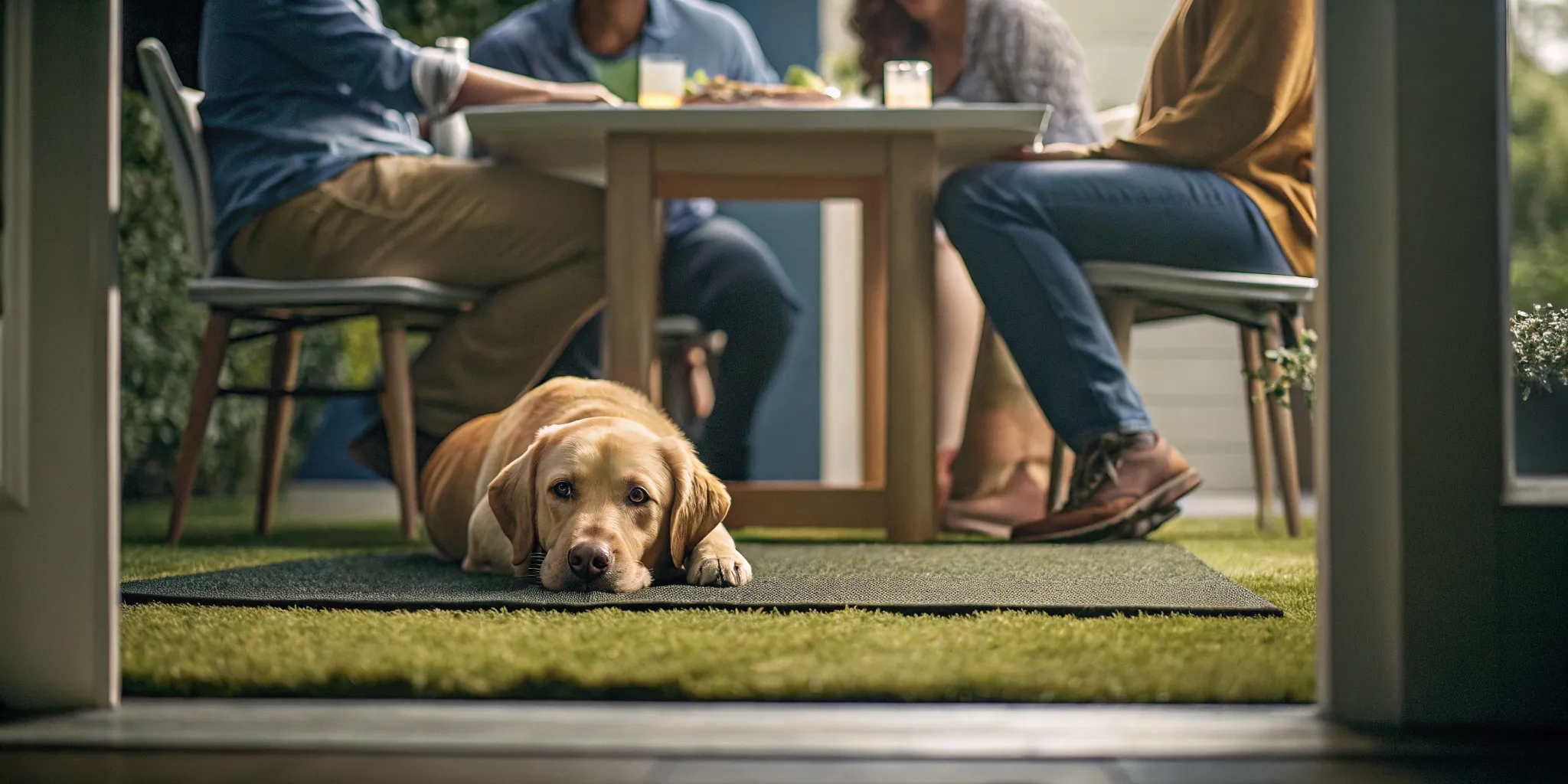
Begging at the dinner table is a common and frustrating habit. Having a dog stare at your plate or nudge your hand while you eat ruins the peace of a family meal. By sending your dog to their place during dinner, you create a healthy physical boundary. They learn to rest quietly in their designated spot while you enjoy your meal in peace, removing the constant negotiation and begging from the dining room.
Winding Down After Bay Area Outings
Living in Northern California offers incredible opportunities for outdoor adventures. Whether you have spent the day hiking the trails of Fremont, exploring the parks of San Ramon, or walking through Mountain View, some dogs struggle to settle down when they return home. They remain in an excited, high-arousal state after a big outing. Sending them to their place upon returning home provides a clear signal that the adventure is over and it is time to rest. This routine helps your dog unwind and transition back to a calm home life. We cover these real-world transitions in detail in our real world dog training guide.
Frequently Asked Questions
How long should a dog stay on their place?
You can ask your pet to stay in the place command for about thirty minutes to an hour. This helps the dog learn how to settle down in a busy home. Long stays build focus and teach your dog to be calm even when things happen around them. You should start with short times and slowly add more as your dog gets better.
Can place training help with hyperactive dogs?
Yes, this training is an excellent way to help dogs that have too much energy. It gives them a clear job to do, which helps them feel calm and safe. By teaching a dog to stay on a mat, you show them how to relax in the house. This structured boundary helps settles their mind and teaches them self-regulation.
Is there a skill a dog needs to know before starting place training?
Most dogs do not need to know other commands before they start place training. You can begin this work with a puppy or an older dog right away. The only time it might be hard is if a dog is very scared of a leash or collar. You just need a clear boundary like a bed or mat to get started.
How does place training help with dog behavior?
This training helps by giving your dog a safe spot where they know what to do. It stops bad habits like jumping on guests, door-rushing, or begging for food. When a dog learns to stay in one spot, they become more relaxed and easier to manage after a walk. It builds a strong bond and teaches self-control.
Ready to enjoy a calmer home with better place training?
Putting off this work means your dog will keep struggling with stress and bad habits like jumping or barking at your guests instead of resting. You will keep losing the peace of a quiet house. But starting now makes sure your dog learns these vital skills before bad ways become too hard to change for good. By taking this step today, you can look forward to a more quiet life in Northern California with a dog that knows just how to settle down when you need it most.
Ready to book your spot? Explore our premium Adolescent & Adult Board & Train options or Call 510 916-2424 to schedule a free consultation and bring peace back to your home today.

Tim Medina is the founder and Training Director of Medina Dogs Training, specializing in real-world obedience and behavior modification for dogs of all ages and temperaments. With more than 14 years of hands-on dog training experience, Tim brings a rare combination of practical training expertise and executive-level leadership, delivering structured, results-driven programs designed for real-world reliability.
He helps dog owners solve serious behavior challenges including aggression, reactivity, leash pulling, and lack of recall through structured, results-driven board-and-train programs. Tim also serves as a Advanced Nose Work instructor at the Marin Humane Society, bringing institutional credibility and community trust to his work.
Tim works with clients in Fremont, Stockton, Sacramento, and surrounding Northern California areas, including the East Bay, Silicon Valley, and the greater San Jose region.

