

The first days after board and train are critical to helping your dog’s new skills transfer into everyday life. Rather than testing how much freedom your dog can handle, focus on calmly carrying the trainer’s rules, cues, and routines into your home. A simple plan helps your dog understand that the skills learned during the program still apply with you.
Need a clear plan for your dog’s return home? Start with a free consultation with Medina Dogs Training.
Use this guide to structure the first week, practice without turning every moment into a drill, and respond when an old habit returns. Consistency matters more than perfection.
Your first week after board and train
During the first week after board and train, keep life calm and predictable. Limit freedom, follow the trainer’s handoff plan, practice short sessions, and have every family member use the same cues and rules.
Start with a calm homecoming
Keep your dog’s arrival low-key. A loud welcome, immediate house tour, or crowd of visitors can make it harder to settle. Take your dog outside, allow a quiet drink of water, and guide them to a familiar resting area or crate. For the first few days, use a leash indoors when needed so you can prevent mistakes instead of correcting them after they happen.
Keep the rules familiar
Follow the exact feeding, walking, crate, place, and bedtime routines demonstrated during the handoff. Use the same verbal cues and hand signals. If the trainer asked your dog to wait at doors or settle before meals, continue those habits immediately.
- Schedule meals, walks, rest, and short practice at predictable times.
- Reward calm choices, including four paws on the floor during greetings.
- Delay dog parks, crowded gatherings, and other difficult situations.
- Write down questions rather than improvising a new training method.
How do you transfer training results into the home?
Training transfers when your dog learns that the same expectations apply with every person and in every room. Practice one familiar skill at a time, reward promptly, and add distractions only after your dog succeeds in easier situations.
Owner education is a central part of Medina Dogs Training’s real-home approach. Your dog may understand a cue with the trainer, but you still need to learn the timing, body language, and follow-through that make the cue clear. Review handoff notes or videos before changing anything.
Get the whole household aligned
Agree on the words, rules, and responses everyone will use. If one person allows jumping while another asks for a sit, your dog receives an unclear message. Put the main cues and house rules somewhere the family can quickly review them.
| Situation | Clear response | Common mistake |
|---|---|---|
| Door greeting | Ask for place or a calm sit | Reward excited jumping |
| Leash walk | Use the trainer’s cue and timing | Pull continuously against the dog |
| House freedom | Increase it after repeated success | Allow full access on day one |
For more context on program fit and owner involvement, read whether board and train is worth it.
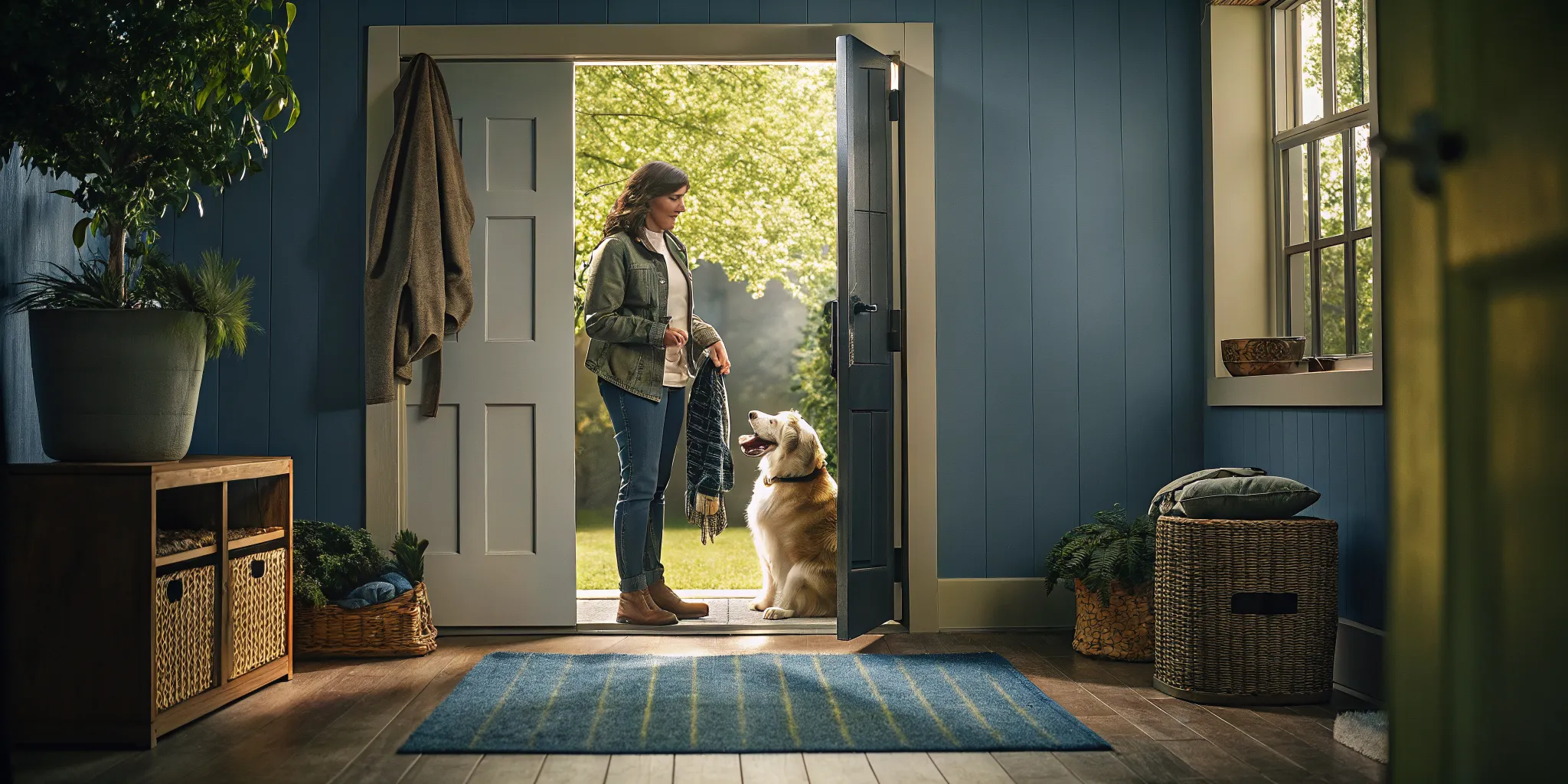
Build a practical daily routine
A useful aftercare routine combines structure with normal life. Practice for five to ten minutes at a time, then use the same skills during meals, walks, remote-work hours, guest arrivals, and evening relaxation.
Morning and daytime practice
Begin with a calm crate exit or doorway wait, followed by a structured walk. Ask for a brief sit or stay before breakfast. During the day, practice place while you answer email, prepare food, or welcome a visitor. These real-life repetitions teach your dog that training is part of the household routine.
In busy Northern California neighborhoods, increase difficulty gradually. Start on a quiet street before expecting reliable focus near crowded trails, downtown sidewalks, or busy parks. Three short, successful sessions are usually more useful than one long session that leaves both of you frustrated.
Evening reset
Use the evening to practice settling. Guide your dog to a bed or place while the family eats or relaxes. End the day with a predictable final walk and bedtime routine. Structure should help your dog feel secure, not keep them working every minute.
If your routine feels difficult to maintain, review Medina Dogs Training’s adolescent and adult board and train program and ask how owner coaching supports the transition home.
What if old habits return?
A small setback does not mean training failed. Reduce the difficulty, prevent repeated mistakes, return to the cue and routine your trainer taught, and ask for help early if the behavior continues or creates a safety concern.
Your home contains old patterns and triggers. A dog that previously pulled near a certain corner or jumped when a family member arrived may try that behavior again. Stay calm. Recreate an easier version of the situation and reward the response you want.
Use a simple reset
- Identify what happened immediately before the behavior.
- Reduce space, distance, excitement, or another source of difficulty.
- Use the familiar cue and handling method from the handoff.
- Reward a successful repetition, then stop before your dog gets tired.
- Record the pattern and contact your trainer if it repeats.
Call your trainer promptly for new fear, aggression, repeated escape attempts, or any behavior that puts a person or animal at risk. Learn more about Medina Dogs Training’s background and real-world philosophy on the training team page.
When should your dog earn more freedom?
Give more freedom after your dog repeatedly follows familiar cues in the current setting. Expand one variable at a time, such as duration, distance, room access, or distraction, and step back if reliability drops.
Freedom is easier to add than to take away. Begin with supervised access to a limited area. A leash, long line, crate, gate, or place bed can help your dog make good choices while you observe their response.
Use evidence, not a deadline
Look for calm behavior and reliable responses across several days. Before allowing more room access, confirm that your dog can settle, come when called, and leave household items alone in the smaller area. Before visiting a busy location, confirm that your dog can focus around lighter distractions. Slow progress protects the training investment and builds confidence for both of you.
Frequently asked questions
Most aftercare questions come down to consistency, gradual freedom, and early communication with the trainer. The answers below cover common concerns during the transition home.
Will my dog remember me after board and train?
Yes. Your dog still knows you and may be excited or tired at the reunion. Keep the greeting calm, then follow the trainer’s handoff plan so your first interactions reinforce the new routine.
How long does it take a dog to settle back home?
Every dog is different. Instead of expecting a fixed deadline, watch your dog’s eating, sleeping, focus, and ability to settle. Keep the routine predictable and ask your trainer about changes that concern you.
Why is my dog testing old rules?
Dogs often repeat behavior that worked in a familiar setting before training. Prevent rehearsal, respond consistently, and practice an easier version of the desired behavior. Contact your trainer if the pattern persists.
Keep your dog’s progress moving forward
Lasting results after board and train come from clear owner follow-through, useful daily practice, and timely support. You do not need a perfect day. You need a plan that the whole household can repeat.
Medina Dogs Training helps owners understand how to maintain skills in real home life. If you are preparing for a dog’s return or dealing with a setback, a brief conversation can clarify the next step.
Book a free consultation to discuss a practical aftercare plan for your dog.
Planned inbound links: Add a contextual link from the existing “Is Board and Train Worth It?” article using the anchor “after board and train.” Add a second contextual link from the Adolescent and Adult Board and Train service page using the anchor “transitioning training results home.”

Tim Medina is the founder and Training Director of Medina Dogs Training, specializing in real-world obedience and behavior modification for dogs of all ages and temperaments. With more than 14 years of hands-on dog training experience, Tim brings a rare combination of practical training expertise and executive-level leadership, delivering structured, results-driven programs designed for real-world reliability.
He helps dog owners solve serious behavior challenges including aggression, reactivity, leash pulling, and lack of recall through structured, results-driven board-and-train programs. Tim also serves as a Advanced Nose Work instructor at the Marin Humane Society, bringing institutional credibility and community trust to his work.
Tim works with clients in Fremont, Stockton, Sacramento, and surrounding Northern California areas, including the East Bay, Silicon Valley, and the greater San Jose region.

