

Bringing your dog home is not the end of a board and train program. It is the point when you learn how to maintain the same clear cues, boundaries, and routines in your own home. Effective board and train owner training gives you practical experience before graduation, a coached handoff, and support after your dog returns.
Want a board and train program that prepares you as carefully as it prepares your dog? Schedule a free consultation with Medina Dogs Training.
A strong owner handoff teaches you what to say, when to say it, how to handle the leash, and how to respond when your dog makes a mistake. At Medina Dogs Training, that transfer starts with a mid-program session, continues through an in-home graduation, and is reinforced through personalized follow-up coaching.
Why board and train owner training determines what lasts
A dog can learn new skills with a professional trainer, but those skills must also work with you. Dogs notice differences in timing, tone, body position, and follow-through. If home feels completely different from training, your dog may hesitate, test an old habit, or become confused about what you expect.
The handoff closes that gap. You practice the trainer’s cues and routines while the trainer can observe and coach you. Instead of leaving with a list of commands, you leave knowing how to use them during walks, greetings, meals, downtime, and other everyday situations.
The owner becomes part of the training team
Your job is not to perform like a professional trainer. Your job is to be clear and consistent enough that your dog understands the same expectations at home. That includes recognizing when to guide your dog, when to reward a good choice, and how to calmly reset after a mistake.
This owner-focused approach is what separates a complete program from a simple stay away from home. It also supports the goal behind Medina Dogs Training’s Adolescent and Adult Board and Train: reliable behavior that fits your real life.
What should happen before your dog comes home?
You should begin learning before graduation day. A mid-program session lets you see your dog’s progress, understand the methods being used, and practice basic handling while the trainer can make immediate adjustments.
Use the mid-program session to build confidence
During the session, focus on the skills that matter most in your routine. Practice a calm leash walk, a reliable place command, doorway manners, and the cues your family will use most often. Ask the trainer to explain what a correct response looks like and what to do when your dog does not respond the first time.
Write down questions as they come up between sessions. Questions about equipment, freedom in the home, visitors, and walks are easier to solve before your dog returns than during a busy first evening.
Prepare your home and schedule
- Agree on the exact cues every family member will use.
- Set up the crate, bed, leash, and place area before arrival.
- Keep the first few days calm and avoid unnecessary visitors.
- Plan time for short practice during normal routines.
- Confirm how and when to contact the trainer for follow-up help.
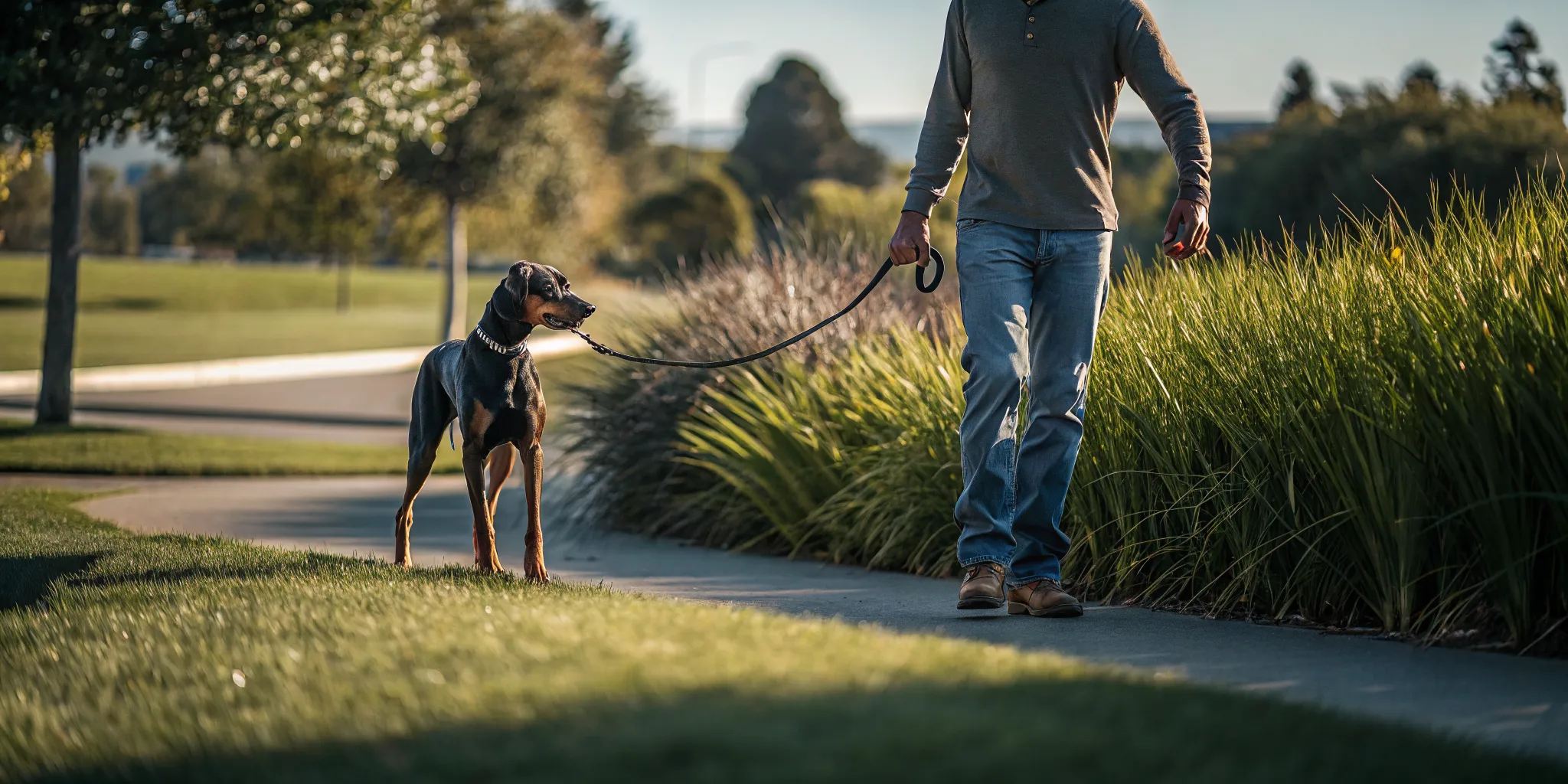
What happens during the graduation handoff?
Graduation should be a working session, not a quick pickup. Medina Dogs Training uses an in-home transfer session so you can practice where the new behavior must hold up. The trainer can see the layout, routine, and distractions your dog will encounter each day.
Practice, do not just watch
First, watch the trainer demonstrate a skill. Then take the leash and repeat it. Practice entering the home, settling on place, moving through doorways, and recovering attention after a distraction. If the dog responds differently with you, the trainer can adjust your timing or positioning immediately.
Ask the trainer to show you how to handle imperfect moments. A useful handoff does not only demonstrate ideal behavior. It prepares you to respond calmly when your dog becomes excited, pulls toward a distraction, or ignores a familiar cue.
| Handoff focus | What you should be able to do |
|---|---|
| Leash handling | Guide a calm walk and regain attention. |
| Home boundaries | Use place, crate, and doorway routines clearly. |
| Daily cues | Give each cue with consistent timing. |
| Mistake recovery | Reset calmly without becoming frustrated. |
| Follow-up plan | Know when and how to ask for support. |
How do you protect progress during the first week home?
Keep the first week simple. Your dog is adjusting from a highly structured training routine to a familiar environment with old associations. Clear structure makes that transition easier and gives both of you more chances to succeed.
- Start with the trainer’s routine. Keep walks, meals, rest, crate time, and place work predictable.
- Limit freedom at first. Supervise your dog and expand access as reliable behavior becomes consistent.
- Practice in ordinary moments. Use learned cues before opening doors, serving meals, greeting guests, and starting walks.
- Keep expectations consistent. Make sure every family member follows the same rules and uses the same cues.
- Track questions. Note patterns and contact the trainer before a small issue becomes a repeated habit.
In a busy Northern California household, it can be tempting to return immediately to a full schedule of visitors, errands, parks, and neighborhood walks. Give your dog time to settle first, then add distractions gradually as your handling becomes more confident.
Use daily life instead of adding long training sessions
Maintenance does not need to feel like a second job. Build short repetitions into things you already do. Ask for a calm wait before opening the door. Practice a loose leash for the first block of a walk. Send your dog to place while you prepare dinner, then release them when the room is calm.
These ordinary repetitions teach your dog that the rules apply throughout the day, not only during a formal training session. They also help you improve your timing without setting aside a large block of time. If a repetition goes poorly, lower the distraction and make the next attempt easier.
For a deeper look at the transition, read how board and train results transfer home.
Common handoff mistakes and how to avoid them
Most setbacks do not mean the dog forgot everything. They usually mean the routine changed too quickly or the owner needs more practice applying it. Recognizing the pattern early lets you make a small correction instead of waiting for an old habit to become normal again.
Giving too much freedom too soon
Returning home can be exciting, so owners sometimes allow immediate access to every room, every visitor, and every favorite activity. That sudden freedom makes it difficult to reinforce calm choices. Start with supervision and predictable boundaries, then expand freedom as your dog shows reliable behavior.
Changing cues between family members
A dog has a harder time succeeding when one person says down to mean lie down and another uses it to mean get off the couch. Agree on cue words, household rules, and how you will respond to mistakes. Keep the plan somewhere visible during the first week so everyone can follow it.
Waiting too long to ask questions
Owners sometimes worry that asking for help means they failed. Follow-up support is part of a strong training plan because real-life questions often appear only after the dog returns. Contact your trainer when you notice a repeated pattern, especially if you are unsure how to respond fairly and clearly.
When should you ask for follow-up help?
Ask for help when you notice a pattern you cannot confidently resolve. Early coaching is useful when leash pulling begins to return, your dog becomes confused by a cue, a family member struggles with handling, or a new behavior appears.
Bring specific observations to your trainer
Describe what happened immediately before the behavior, what you asked your dog to do, and how your dog responded. A short video may also help your trainer understand the timing and environment. Specific details make follow-up coaching more useful than a general statement that training is not working.
Medina Dogs Training offers additional services and alumni support for owners who need continued coaching, refreshers, or help with a new goal. Reaching out early protects the work you and your dog have already completed.
Frequently asked questions
Is owner training included in a board and train program?
Owner training should be a core part of the program because the dog must respond reliably to the owner at home. Medina Dogs Training includes hands-on owner involvement through a mid-program session, an in-home graduation session, and personalized follow-up coaching.
Can board and train work without owner involvement?
A trainer can build skills and improve behavior, but the owner must maintain clear expectations at home. Without owner participation, the dog may receive mixed signals or return to familiar habits.
What should I practice after my dog comes home?
Practice the cues and routines your trainer assigned during normal parts of the day. Calm leash walks, place work, doorway manners, crate routines, and structured greetings are useful opportunities to reinforce what your dog learned.
What if my dog behaves differently for me than for the trainer?
That is exactly what the handoff and follow-up coaching are designed to address. Practice with the trainer present, ask for feedback on your timing and leash handling, and contact the trainer promptly if the difference continues at home.
Build a handoff that works at home
A successful handoff gives you the skills and confidence to preserve your dog’s progress in daily life. Medina Dogs Training prepares owners through hands-on practice, an in-home graduation, and follow-up support focused on real routines.
If you want help choosing the right next step for your dog, schedule a free consultation with Medina Dogs Training. Call (510) 576-5922.

Tim Medina is the founder and Training Director of Medina Dogs Training, specializing in real-world obedience and behavior modification for dogs of all ages and temperaments. With more than 14 years of hands-on dog training experience, Tim brings a rare combination of practical training expertise and executive-level leadership, delivering structured, results-driven programs designed for real-world reliability.
He helps dog owners solve serious behavior challenges including aggression, reactivity, leash pulling, and lack of recall through structured, results-driven board-and-train programs. Tim also serves as a Advanced Nose Work instructor at the Marin Humane Society, bringing institutional credibility and community trust to his work.
Tim works with clients in Fremont, Stockton, Sacramento, and surrounding Northern California areas, including the East Bay, Silicon Valley, and the greater San Jose region.

