

If you are wondering what is board and train, the simple answer is this: your dog lives with a professional trainer for a set period while training becomes part of everyday life. Lessons happen during walks, meals, greetings, rest, and real-world outings, not only during formal sessions.
Schedule a free consultation with Medina Dogs Training if you want help deciding whether board and train is the right fit for your dog.
The goal is to build reliable behavior, then teach you how to maintain it at home. That owner handoff matters just as much as the work completed while your dog is away.
What is board and train?
Board and train is an immersive dog training program. Instead of meeting a trainer for one lesson at a time, your dog stays with the trainer and receives consistent guidance throughout the day. A real-home program is different from basic boarding because each routine is used to teach clear expectations and useful habits.
Training within daily life
Formal practice may focus on recall, leash manners, place, or other cues. The trainer also works on calm behavior around doorways, meals, visitors, household activity, and downtime. This helps the dog practice skills in situations that resemble life at home.
Programs should be matched to the dog. A puppy board and train program may emphasize early structure and preventing unwanted habits. An adult dog board and train program may focus on established behavior that is disrupting daily routines. For more context on the decision itself, read Is Board and Train Worth It?.
What does a typical day look like?
There is no useful one-size-fits-all schedule. Medina Dogs Training adjusts each day to the dog’s age, needs, progress, and ability to handle distractions. Still, most days blend several important elements.
- A calm start: Potty breaks, feeding, and settling provide opportunities to practice patience and household manners.
- Focused sessions: Short lessons develop skills such as recall, loose-leash walking, place, and calm responses to distractions.
- Everyday practice: Walks, doorways, meals, and normal home activity become chances to reinforce good choices.
- Appropriate outings: The trainer practices in environments suited to the dog’s current skill level.
- Rest: Quiet time gives the dog a chance to settle between physical and mental work.
Why rest and repetition both matter
Training should not fill every minute. A dog also needs to learn how to switch off and remain calm when nothing exciting is happening. Repeating simple expectations across the day helps those behaviors become familiar without overwhelming the dog.
What does your dog learn during the program?
A strong program teaches more than a list of commands. It helps the dog make better choices during the moments that affect your life together.
Practical skills for real routines
- Walking without pulling around safe, planned distractions
- Coming when called and staying connected to the handler
- Greeting people without jumping or rushing the door
- Settling calmly while normal household activity happens
- Following clear boundaries around meals, furniture, and exits
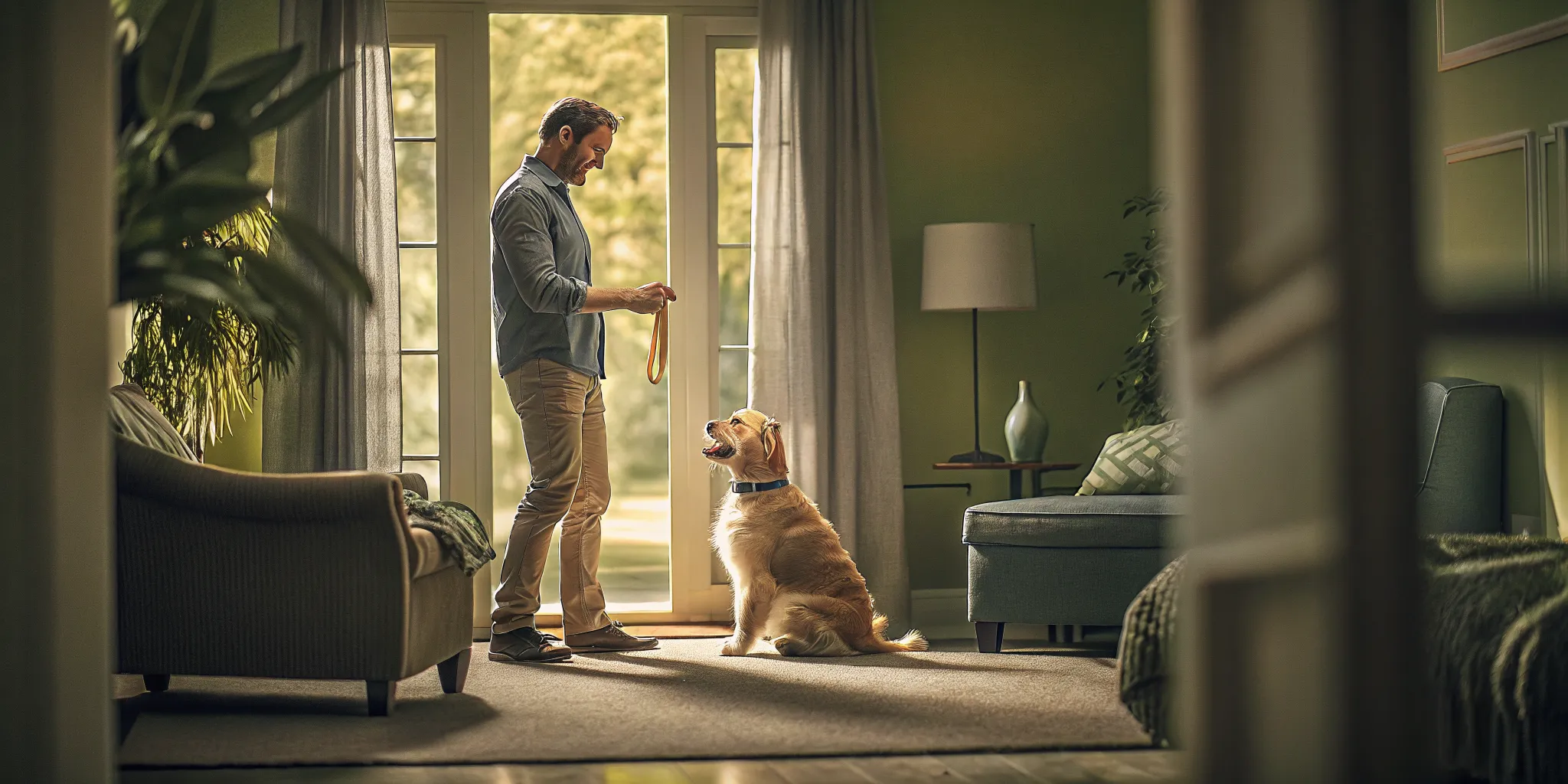
The exact priorities should reflect your goals. A reactive dog may first practice staying engaged with the handler before a trigger becomes overwhelming. A high-energy dog may need to learn that calm behavior also earns access to walks, play, and attention.
Clear communication, not a quick fix
Medina Dogs Training focuses on communication that is fair, clear, and understandable to the dog. The trainer builds skills gradually, practices them in suitable environments, and explains what the dog will need after returning home. No program can permanently change behavior without continued practice from the owner.
Why does the owner handoff matter?
The handoff turns progress made with the trainer into habits your family can maintain. Your dog may understand the trainer well, but still needs practice responding to you in familiar settings.
Learning the same training language
During owner coaching, you should handle the leash, practice key cues, and learn how to reward good choices. The trainer should also explain what to do when behavior slips. Useful practice covers walks, greetings, doorways, meals, and calm time, not only a short demonstration.
Questions to ask before enrollment
- Where will my dog stay, rest, and train?
- How will the program address my dog’s specific behavior?
- How will I receive progress updates?
- Will household members receive hands-on coaching?
- What follow-up support is available after the dog returns?
A provider should answer these questions clearly before you enroll. Transparency about the setting, methods, daily routine, handoff, and aftercare helps you choose with confidence.
Is board and train right for your dog?
Board and train can be a practical fit for busy families that need a strong starting point. It may also help when leash pulling, jumping, poor recall, reactivity, or a lack of structure keeps interfering with everyday life. For busy Bay Area households, immersive training can create focused time for new habits to develop.
It is not a way to outsource your role permanently. The best fit is an owner who is ready to learn, practice, and maintain consistent expectations after the program. Dogs with serious fear, anxiety, or reactivity also need an individual assessment rather than a standard package.
A quick decision checklist
Before choosing a program, confirm that its approach fits your dog, that you understand where training happens, and that owner education is included. Ask yourself whether your household can follow the recommended routines once your dog returns. If the answer is yes, board and train may provide the structure and support you need.
Frequently asked questions
How long does board and train take?
Program length depends on the dog’s age, behavior, goals, and the provider’s approach. Ask the trainer what can realistically be addressed during the recommended stay and what practice will still be needed at home.
Why do board and train programs fail?
Programs often fall short when training does not transfer to the owner. Dogs need clear, consistent follow-through with familiar people and in familiar places. A detailed handoff and ongoing practice reduce the chance of old habits returning.
How do you maintain results at home?
Use the same cues, boundaries, and routines taught during the program. Keep early practice short, reward correct choices, and add distractions gradually. Every household member should respond consistently and request follow-up help when needed.
How can you choose a safe program?
Ask where your dog stays, who handles them, how training works, and how updates are shared. Discuss the emergency plan, owner handoff, and follow-up support. Avoid providers who will not clearly explain how dogs are trained or cared for.
Build reliable habits that last at home
A board and train program should give your dog a clear foundation and give you the knowledge to maintain it. If you are dealing with behavior that makes daily life harder, a conversation about your dog and goals is a simple next step.
Schedule a free consultation with Medina Dogs Training to find the right training path for your family.

Tim Medina is the founder and Training Director of Medina Dogs Training, specializing in real-world obedience and behavior modification for dogs of all ages and temperaments. With more than 14 years of hands-on dog training experience, Tim brings a rare combination of practical training expertise and executive-level leadership, delivering structured, results-driven programs designed for real-world reliability.
He helps dog owners solve serious behavior challenges including aggression, reactivity, leash pulling, and lack of recall through structured, results-driven board-and-train programs. Tim also serves as a Advanced Nose Work instructor at the Marin Humane Society, bringing institutional credibility and community trust to his work.
Tim works with clients in Fremont, Stockton, Sacramento, and surrounding Northern California areas, including the East Bay, Silicon Valley, and the greater San Jose region.

