

If walks now revolve around avoiding dogs, bracing for lunges, or worrying that someone could get hurt, it is time to consider professional help. A qualified reactive dog trainer near me can identify triggers, reduce immediate risk, and build a practical plan for calmer behavior at home and in public.
Schedule a free consultation with Medina Dogs Training to discuss your dog’s reactions and the safest next step.
Not every bark requires an intensive program. The clearest reasons to seek help are safety concerns, worsening reactions, and a daily life that keeps getting smaller. The goal is not a quick fix. It is reliable progress that you can maintain.
When does reactivity need professional training?
Professional support is appropriate when reactions create a safety risk, continue to intensify, or remain unchanged despite consistent management. Help is also worthwhile when you cannot confidently walk, handle, or host visitors around your dog. Early guidance can prevent owners from repeatedly practicing strategies that do not fit the dog.
You cannot safely control the reaction
Get help promptly if your dog pulls you off balance, redirects onto the leash or handler, breaks equipment, snaps, or has a bite history. Do not deliberately expose the dog to triggers to test the behavior. Create distance, use secure equipment, and tell a prospective trainer exactly what has happened.
Your dog’s world keeps shrinking
Reactivity affects quality of life when you can only walk at unusual hours, avoid your front yard, stop inviting people over, or feel anxious before every outing. In busy East Bay and Bay Area neighborhoods, avoiding every trigger is rarely sustainable. A structured behavior modification program can help rebuild safe, useful routines.
Progress has stalled or behavior is worsening
If several weeks of careful practice produce no improvement, the plan may need to change. A professional can evaluate distance, timing, reinforcement, handling, and the dog’s overall stress. Sudden behavior changes should also be discussed with a veterinarian, since pain or health issues can affect behavior.
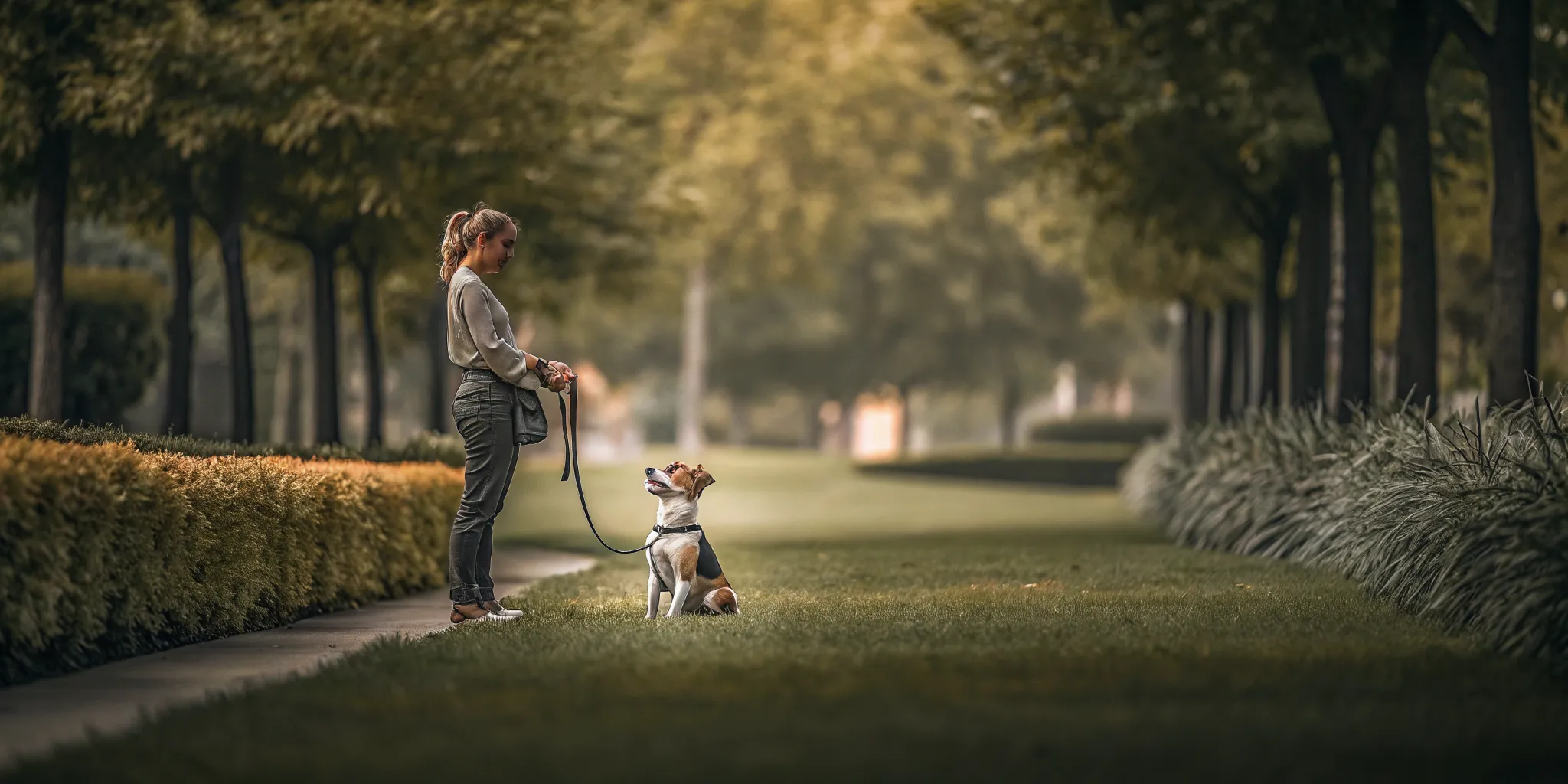
What should you do before the first appointment?
Before training begins, focus on preventing unsafe encounters and collecting useful information. Management is not giving up. It lowers stress and stops the dog from rehearsing reactions while the trainer develops an individualized plan.
- Create distance early. Cross the street, turn around, or use parked cars as visual barriers before your dog reacts.
- Choose quieter routes. Skip crowded parks, narrow trails, pet stores, and forced greetings for now.
- Check your equipment. Use secure, properly fitted gear and a sturdy leash. Avoid retractable leashes when control matters.
- Track each incident. Note the trigger, distance, intensity, recovery time, and anything unusual that day.
- Do not stage a reaction. Give the trainer an accurate history instead of provoking behavior for a demonstration.
These steps make walks more manageable and give your trainer better information. For additional practical guidance, review these tips for a calmer reactive-dog walk and managing lunging behavior.
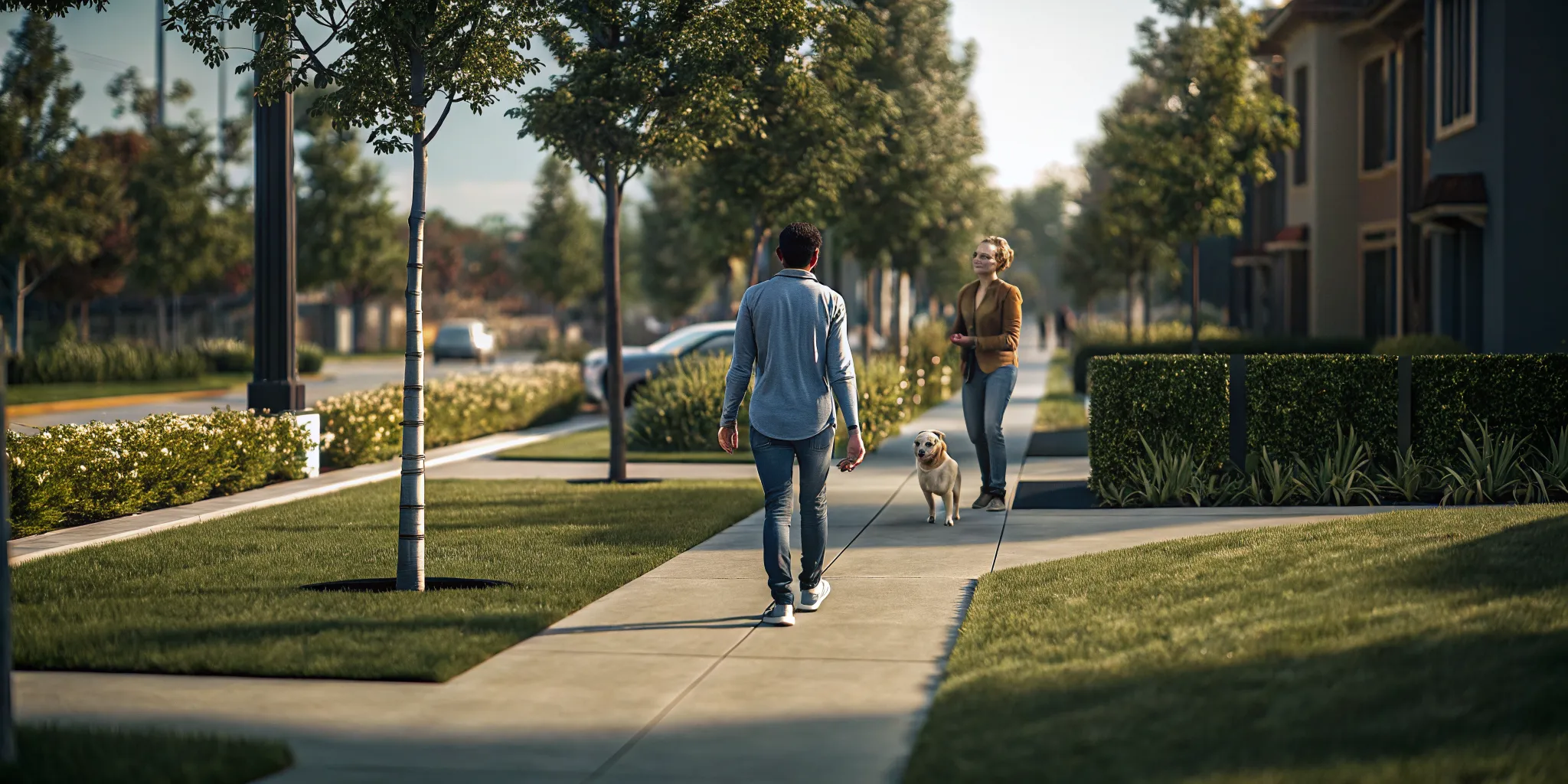
Is your dog reactive or aggressive?
Reactivity describes an outsized response to a trigger, often driven by fear, frustration, or excitement. Aggression describes behavior intended to increase distance or cause harm. The labels can overlap, and a reactive dog can still bite. Owners should treat any snapping, biting, or hard-to-control lunging as a serious safety concern.
| What you notice | What it may mean | Best next step |
|---|---|---|
| Barking or lunging at a predictable distance | The dog is over threshold around a known trigger | Increase distance and document the pattern |
| Stiff posture, freezing, snapping, or biting | Risk is elevated, regardless of the label | Use strict management and seek professional help |
| A sudden personality or behavior change | Pain or another health issue may contribute | Contact a veterinarian |
How do you choose a reactive dog trainer near me?
A strong trainer should have direct experience with behavior cases, explain the plan in plain language, and prioritize safety without making guarantees. The right program teaches both dog and owner, because lasting results depend on what happens after formal training ends. Programs that include structured owner coaching and follow-up sessions typically produce more reliable long-term results.
Owners throughout Fremont, Pleasanton, Livermore, San Ramon, Walnut Creek, and the greater Bay Area often face similar challenges with leash reactivity, visitor reactions, and difficulty navigating busy public spaces.
Ask these questions before committing
- How do you assess triggers, bite risk, and the dog’s daily environment?
- How will you keep the dog, owner, and public safe during training?
- How is the plan adjusted when the dog struggles or progresses?
- What owner coaching and follow-up support are included?
- Can you explain your methods without promising a guaranteed cure?
Avoid trainers who rely on force or pressure for compliance, dismiss your safety concerns, or offer the same plan for every dog. Medina Dogs Training uses real-home environments and owner education to help skills transfer into everyday life. Learn more about the team’s training approach and support.
What should progress look like?
Useful progress is measurable and practical. Your dog may notice a trigger without exploding, recover faster after a difficult moment, respond at a closer but still safe distance, or check in with you instead of lunging. Progress is rarely perfectly linear, so look for trends rather than one flawless walk.
The owner should improve too. You should become better at spotting early body-language changes, choosing appropriate distance, handling the leash, and knowing when to leave. Those skills make behavior change more durable in real-world Northern California settings.
Frequently asked questions
Can a reactive dog be trained?
Yes. With thoughtful management, appropriate training, and consistent owner follow-through, many reactive dogs can learn calmer responses around triggers. Outcomes vary, so a responsible trainer will set realistic goals after evaluating the individual dog.
How long does reactive dog training take?
The timeline depends on the dog’s history, triggers, bite risk, learning pace, and the owner’s ability to practice consistently. Look for steady improvements in intensity, recovery, and handler control instead of a promised deadline.
How do I find a reputable reactive dog trainer?
Choose someone who has direct behavior-modification experience, explains methods clearly, prioritizes safety, creates an individualized plan, and includes owner education. Ask how progress will be measured and what support continues after training.
Take the next safe step
If your dog’s reactions are affecting walks, visitors, family routines, or overall quality of life, professional guidance can help you create a safer and more predictable path forward. Medina Dogs Training helps Northern California owners build practical skills and lasting behavior change through real-world training and owner education.
Call 510 916-2424 to schedule a free consultation and discuss the right next step for your dog.

Tim Medina is the founder and Training Director of Medina Dogs Training, specializing in real-world obedience and behavior modification for dogs of all ages and temperaments. With more than 14 years of hands-on dog training experience, Tim brings a rare combination of practical training expertise and executive-level leadership, delivering structured, results-driven programs designed for real-world reliability.
He helps dog owners solve serious behavior challenges including aggression, reactivity, leash pulling, and lack of recall through structured, results-driven board-and-train programs. Tim also serves as a Advanced Nose Work instructor at the Marin Humane Society, bringing institutional credibility and community trust to his work.
Tim works with clients in Fremont, Stockton, Sacramento, and surrounding Northern California areas, including the East Bay, Silicon Valley, and the greater San Jose region.

