

A reliable puppy daily training routine helps your puppy keep the calm behavior and useful skills they learn through training. You don’t need formal drills all day. Instead, build short moments of practice into meals, walks, play, rest, and everyday family life.
Schedule a free consultation if you want help building a calm, practical routine for your puppy.
Consistency matters more than following an exact clock. The goal isn’t perfection. It’s creating a predictable rhythm your puppy can understand and succeed in. When your puppy understands what happens next and which behaviors earn freedom, making good choices becomes easier.
A practical puppy daily training routine
A useful routine alternates activity, brief skill practice, supervised freedom, potty breaks, and rest. The exact times can change, but the order and expectations should stay predictable. This structure helps prevent an overtired or overstimulated puppy from practicing jumping, biting, accidents, and other unwanted habits.
| Time of day | Routine | Skill to reinforce |
|---|---|---|
| Morning | Potty break, short walk, breakfast, rest | Doorway manners, leash walking, place |
| Midday | Potty break, brief training, supervised play, nap | Recall, sit, drop it, calm handling |
| Evening | Walk or outing, dinner, family time, final potty break | Calm greetings, place, settling around distractions |
Adjust the timing for your puppy’s age, bladder needs, energy, and household. A younger puppy usually needs more frequent potty trips and more rest. An older puppy may handle longer outings but still benefit from planned downtime. For a more detailed starting point, use this puppy training schedule guide.
How can everyday moments reinforce puppy training?
Everyday activities become effective training opportunities when you ask for one familiar behavior before your puppy gets something they want. These brief, realistic repetitions teach your puppy that the same expectations apply outside a formal session. They also make practice easier for a busy family to maintain.
Practice before access to rewards
Ask for a sit, eye contact, or another simple behavior before opening a door, putting down food, starting play, or greeting a visitor. Keep the request simple, then reward the correct response promptly. If the puppy cannot respond, reduce the distraction rather than repeating the cue.
Use walks for more than exercise
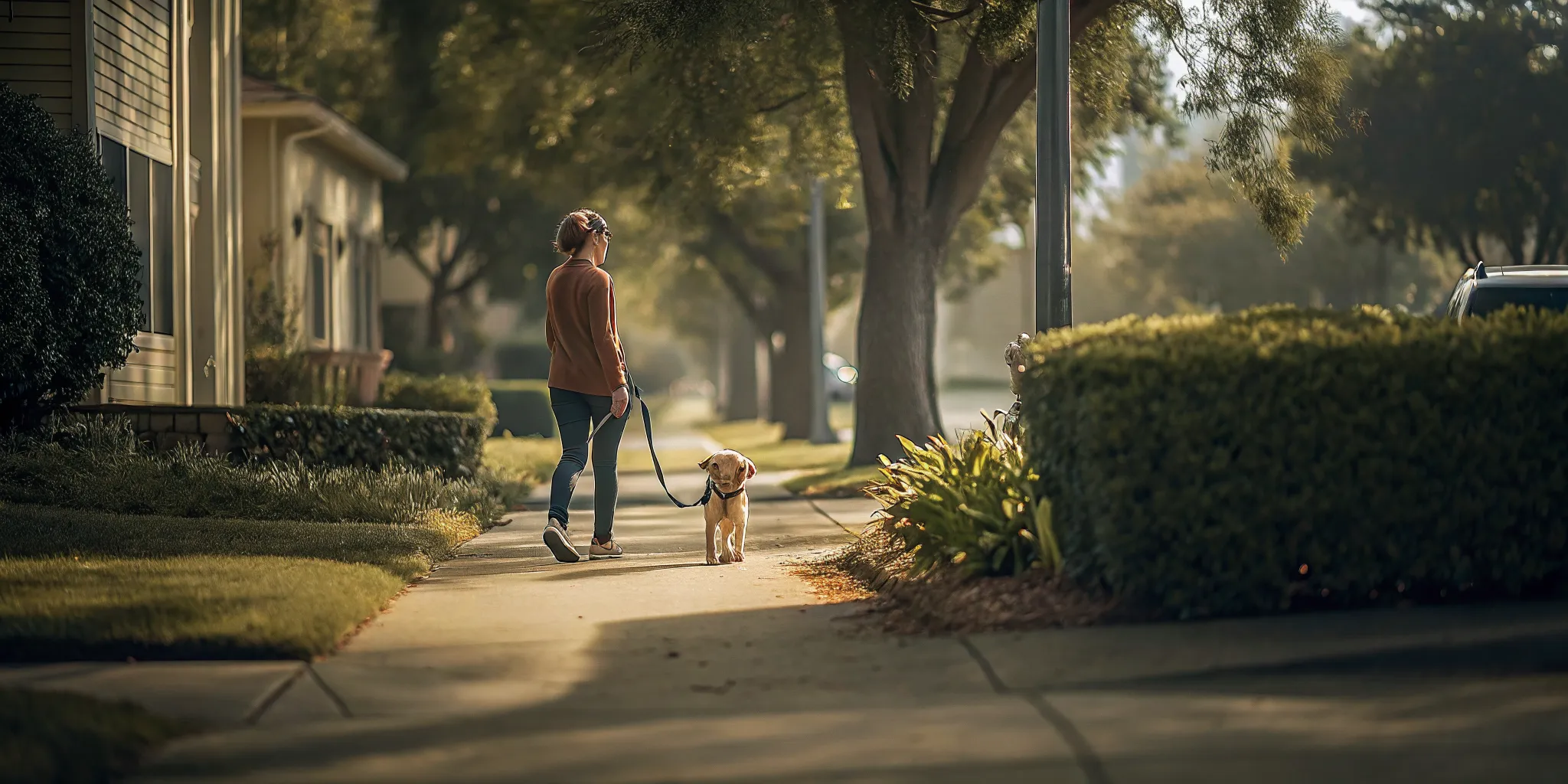
Practice leash manners, attention, and calm recovery after distractions during regular walks. Begin in a manageable area before expecting focus on a busy sidewalk or trail. In Northern California, gradual practice around neighborhood activity prepares puppies for busier Bay Area outings without asking for too much too soon.
Reinforce recall during the day
Call your puppy from short, realistic distances when success is likely. Reward the response, then sometimes release your puppy back to what they were doing. This keeps recall from always meaning that fun is over. Use a leash or long line whenever the environment is not secure.
Why should calm time be part of the routine?
Puppies need to learn how to settle, not only how to stay active. Planned downtime teaches your puppy that relaxing is part of daily life, not something that only happens when they’re exhausted. It also gives an overtired puppy a better chance to rest before restless behavior turns into biting, barking, jumping, or difficulty listening.
- Use a crate or pen thoughtfully: Provide a safe, quiet place for age-appropriate rest.
- Practice place: Ask your puppy to relax on a designated bed while you cook, work, or eat.
- Manage freedom: Supervise your puppy instead of allowing unlimited access to the home.
- Reward calm choices: Quietly acknowledge lying down, disengaging from a distraction, or waiting patiently.
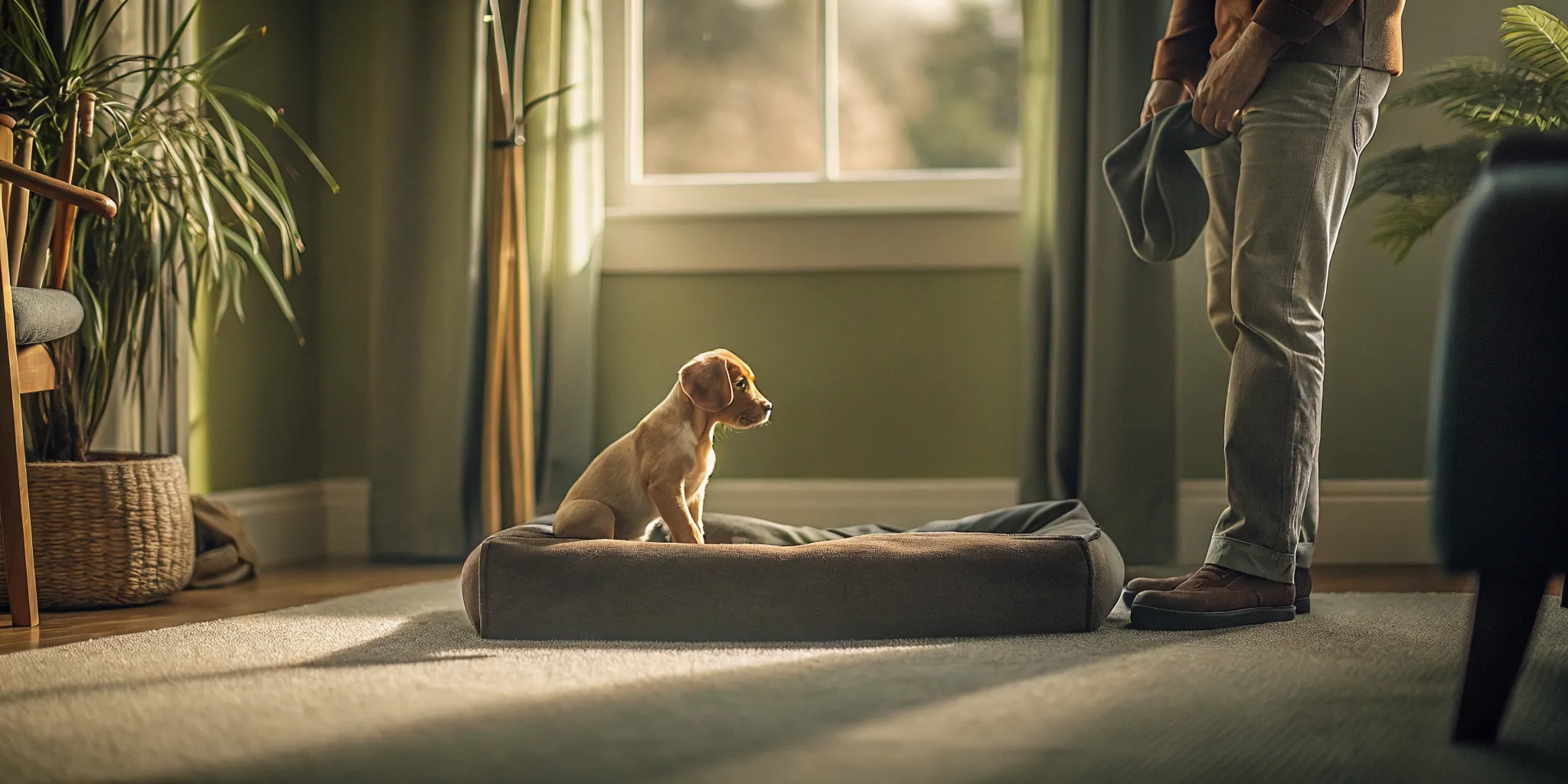
Rest is not a punishment. It is a practical part of teaching your puppy to regulate energy and fit comfortably into family life.
Maintain structure after a puppy training program
A puppy may return from training with stronger skills, but owners still need to transfer those skills into the home. Everyone who handles the puppy should use the same cues, boundaries, and reward system. Clear follow-through helps the puppy understand which choices work in daily life.
Choose a few non-negotiable habits your household can maintain:
- Use the same cue once, then help your puppy follow through fairly and clearly.
- Keep greetings calm instead of rewarding jumping with attention.
- Practice doorway and leash manners on ordinary trips outside.
- Give freedom based on demonstrated behavior, not simply age.
- Return to closer supervision when the puppy is struggling.
Owner education is a core part of Medina Dogs Training’s approach because lasting results depend on what happens after training. Learn more about the Puppy Board and Train program, or use these tips for your puppy’s first 30 days of training when starting from the beginning.
How should the routine change as your puppy matures?
A puppy’s routine should change gradually as behavior becomes more reliable. Add one form of freedom at a time, then watch how the puppy handles it. If accidents, destructive choices, or ignored cues return, reduce freedom and rebuild success before making another change.
- Change one variable at a time. Extend a supervised free period, lengthen a walk, or introduce a new environment instead of changing everything at once.
- Watch behavior, not just the calendar. A growing puppy may still need structure even when they look physically mature.
- Keep core skills in daily life. Continue using recall, place, leash manners, and calm greetings after they seem reliable.
- Respond early to setbacks. A short return to closer supervision can stop a temporary regression from becoming a habit.
Signs the routine needs an adjustment
Frequent evening biting, repeated accidents, difficulty settling, sudden ignoring of familiar cues, or destructive behavior during free time can signal that the current routine is too difficult. First check rest, potty frequency, supervision, and consistency before assuming the puppy needs more exercise.
Then make success easier. Shorten a training session, move farther from distractions, use a leash indoors for closer supervision, or schedule a quiet break. Keep a simple note of when problems happen for several days. A pattern often shows whether the puppy struggles after a long outing, before a potty break, or during too much free time.
If behavior continues to worsen, involves safety concerns, or feels difficult to manage, professional guidance can help identify the cause and create a realistic plan.
How can you review progress each week?
A short weekly review helps your family make useful adjustments without changing the routine every time your puppy has a difficult day. Look for patterns across several days, choose one priority to improve, and keep the rest of the routine familiar. This gives your puppy a clear chance to succeed.
- Choose one useful behavior. Focus on a practical skill such as settling during dinner, walking calmly past a neighbor, or responding to recall in the yard.
- Decide where to practice. Start in the easiest realistic setting, then add one small distraction after the behavior becomes consistent.
- Agree on the household response. Make sure each family member uses the same cue and follows through in the same fair, clear way.
- Notice what improved. Look for faster responses, longer calm periods, or fewer reminders instead of expecting perfect behavior.
If progress stalls, simplify the goal for the next week. Reliable puppy training grows through many manageable successes, not sudden jumps in difficulty.
Frequently asked questions
A successful routine should be predictable enough to guide your puppy but flexible enough to fit real life. These common questions help owners decide how long to practice, when to adjust the schedule, and what to do when progress temporarily slips.
How long should puppy training sessions be?
Keep formal sessions short enough that your puppy stays engaged. Several brief sessions woven into meals, walks, and play are usually easier to maintain than one long session. End while your puppy is still successful.
Should a puppy follow the exact same schedule every day?
No. Keep the order and expectations predictable while allowing timing to fit real life. Your puppy should learn the household rhythm without depending on every activity happening at an exact minute.
How much freedom should a puppy have at home?
Give only the amount of freedom your puppy can handle without repeated accidents, chewing, or ignored cues. Start with supervised access to a small area, then expand gradually after reliable behavior.
What should I do if my puppy regresses after training?
Reduce freedom, increase supervision, and return to the last version of the routine that worked. Practice familiar skills in easier settings before adding distractions again. Seek help if regression continues or creates a safety concern.
Can family members use different puppy training rules?
Small differences are normal, but core cues and boundaries should remain consistent. Agree on greeting manners, furniture access, doorway behavior, and how to respond when the puppy does not follow a familiar cue.
Keep calm behavior part of everyday life
The best puppy daily training routine is one your family can follow consistently. Pair short practice with clear boundaries, planned rest, and gradual freedom. These everyday choices preserve useful skills and give your puppy a dependable path toward becoming a well-behaved adult dog.
A great puppy routine doesn’t require hours of training every day. It simply requires consistency, clear expectations, and small moments of practice woven into everyday life. If you’re struggling to create that routine, we’re happy to help you build one that works for both you and your puppy.

Tim Medina is the founder and Training Director of Medina Dogs Training, specializing in real-world obedience and behavior modification for dogs of all ages and temperaments. With more than 14 years of hands-on dog training experience, Tim brings a rare combination of practical training expertise and executive-level leadership, delivering structured, results-driven programs designed for real-world reliability.
He helps dog owners solve serious behavior challenges including aggression, reactivity, leash pulling, and lack of recall through structured, results-driven board-and-train programs. Tim also serves as a Advanced Nose Work instructor at the Marin Humane Society, bringing institutional credibility and community trust to his work.
Tim works with clients in Fremont, Stockton, Sacramento, and surrounding Northern California areas, including the East Bay, Silicon Valley, and the greater San Jose region.

