

By Tim Medina
For many puppies, the ideal puppy board and train age is between 14 weeks and six months, once your veterinarian confirms they are healthy and ready for new environments. While age matters, temperament, vaccination status, crate comfort, and your training goals are just as important.
Schedule a free consultation to discuss whether your puppy is ready for immersive training.
What is the best puppy board and train age?
The best puppy board and train age often begins around 14 weeks and extends through six months. Programs in this range focus on house training, crate habits, polite manners, and confidence before unwanted habits become established. The UC Davis School of Veterinary Medicine notes that puppies have a critical social development period between three and 14 weeks, so thoughtful early experiences can support future behavior.
The best puppy board and train age often falls between 14 weeks and six months. Some pets can start at 12 weeks, but this window is often best for learning. At this age, your dog has the shots they need to be safe in new places. They are also old enough to focus on basic habits but young enough to learn fast.
The prime learning window
A dog learns the most during their first few months of life. The social growth period for a puppy is most active between 3 and 14 weeks of age. During this time, they are very eager and less fearful of the world around them. Starting a board and train at 14 weeks lets us build on this natural drive. This is a key time to show them that new people and places are not scary.
Waiting too long can make some lessons harder to teach later on. If a pup misses out on early social work, they might develop fear or stress as they grow. By starting early, we help them feel calm and safe in real-world settings like your home. This early puppy training foundation helps stop future problems. It is easier to teach a good habit now than to fix a bad one later.
Focus and readiness
Some owners choose to wait until their dog is six months old or more. At this stage, dogs have better focus and can keep what they learn for a longer time. Their brains are more grown up, which helps them handle more tasks. Each dog grows at its own pace, so we look at their nature to see if they are ready for a full stay. For some dogs, a few extra weeks of age makes a big change.
Our program targets pups from 14 weeks up to six months old. This range helps us stop common issues like leash pulling or jumping before they become big problems. Our home-based work makes sure your puppy learns in a place that looks and feels like your own house. This helps with transferring board and train results back to your daily life. We want your dog to be a calm part of your family, no matter where you go in the Bay Area.
How to tell if your puppy is ready
Picking the right puppy board and train age is more than just checking a date. Most programs start as early as 12 weeks, but your pet needs an early puppy training base to be set in body and mind for the work. Every dog grows at its own speed. You want to make sure they can handle a new place and a full day of learning.
Health and growth needs
Your puppy must have a strong health base before they leave home. Most trainers want pets to have their core shots done first. This keeps your dog and others safe from sick germs. It also shows that the puppy is old enough to handle a new spot. Talk with your vet to make sure your pup is healthy and strong enough for school.
Mental and mood state
Age and growth play a big part in how well a dog learns. Some pets are bold and ready at 14 weeks. Others may be shy and need more time at home first. A good program will look at how your pup acts with new things. The goal is to build a calm and sure nature that lasts for life.
- Check shots. Your pup needs to finish their main shots to stay safe in a social group.
- Test their eating. Make sure your dog eats well even when they are in a new or busy place.
- Watch sleep habits. A ready pup should be able to rest and settle in a crate away from you.
- Check social skills. Your puppy should be eager and open to meeting new people and other dogs.
- Set clear goals. Know what you want to fix, such as leash pulling or jumping, before you start.
- Find the right fit. Spend time choosing puppy board and train pros who use real home settings.
- Plan a vet visit. Ask your vet for a safe social plan to help your pup meet new things.
A pro trainer can help you decide if now is the right time. They will test your pup’s skills and focus. This ensures you get the best results for your money.
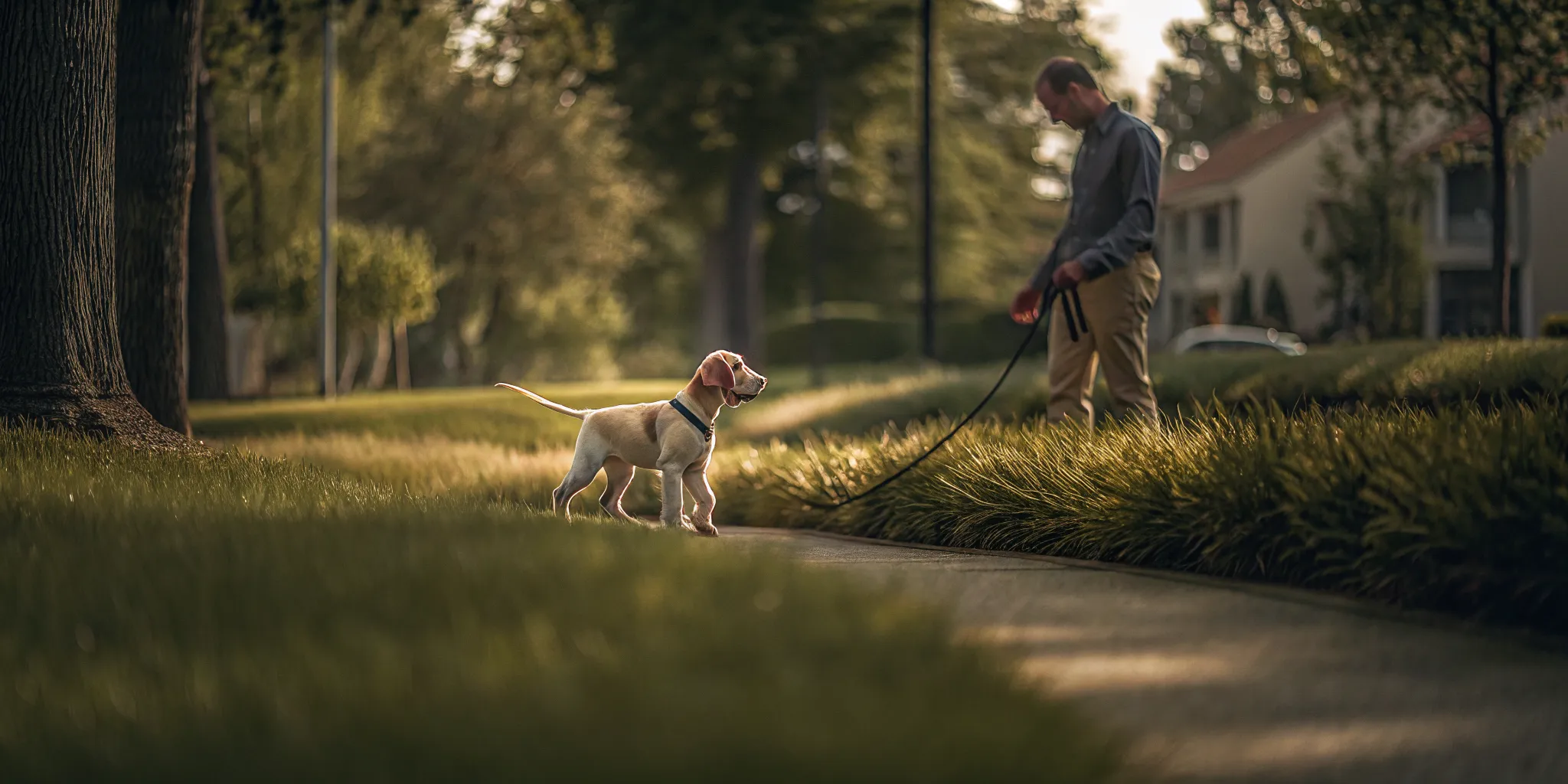
What should young puppies learn first?
Early training for puppies is about building a strong base. It starts with a steady plan and basic habits. When you think about the right puppy board and train age, focus on skills that make life at home easier. Starting early helps stop common issues before they become hard to fix.
Setting a daily routine
A clear daily plan helps a pup feel safe. It includes set times for food, naps, and potty breaks. This plan teaches them what to expect each day. It also helps build calm habits from the start.
A good early puppy training foundation uses these habits to stop stress. It keeps the puppy focused on learning new tasks. They will not feel upset by a messy day when they know the plan.
Crate and house training
Crate comfort is a key skill for every young dog. It gives them a safe spot to rest and helps with house training. Proper crate use also keeps them out of trouble when you cannot watch them.
This stage is part of the critical social development period. It happens between 3 and 14 weeks of age. Learning to be calm in a crate makes later trips and vet visits much easier.
Leash skills and recall basics
Simple leash skills and recall are also key for safety. Teach your pup to follow a loose lead without pulling or fighting it. Start recall training early by making the “come” command a fun game.
Use short sessions of five to ten minutes to keep their tiny minds on you. Training in a real home setting helps these skills stick where they matter most. This readies them for the world and builds trust.
Home practice for calm behavior
Puppies need to learn how to be calm in a busy house. This means teaching them to “settle” while you work or eat. Training in a home setting shows them how to act in real life.
It teaches them to look past the doorbell or stay off the sofa. By looking at these basics, you set your dog up for a life of good choices. This early work ensures your puppy grows into a good dog.
Should You Start Early or Wait Until Adolescence?
Choosing the right puppy board and train age is a big step for your pet. You might feel torn between starting right away or waiting for your dog to grow. At Medina Dogs Training, we help owners across Northern California pick the best path. Young pups learn very fast and take in new sights with ease. Older dogs have more focus and can work on hard tasks for longer. Your choice will depend on your dog’s stage and what you want to achieve.
Comparing puppy and teen stages
The table below shows how these two stages differ for training in a home setting.
| Feature | Puppy (14 weeks – 6 months) | Teen (6 months – 24 months) |
|---|---|---|
| Main focus | Social habits and manners | Harder tasks and structure |
| Focus time | Short, needs many breaks | Long, can handle more work |
| Growth phase | Open to new things | Testing limits and boundaries |
| Program length | Often 1 to 2 weeks | About 2 to 3 weeks |
Value of early puppy work
Starting early helps you build a solid base for life. The social window for pups is widest between 3 and 14 weeks of age. In this time, they are very brave and learn what is safe in the world. A Puppy Board & Train stay covers house skills, crate habits, and basic manners. It sets the stage for a calm dog and stops bad habits before they take root. Early work also makes vet visits and grooming much more simple. This path is great for owners in Fremont or Sacramento who want to get ahead of common behavior issues.
Why the teen years are a good fit
Wait until your dog is six months or older if you want better memory of formal tasks. Dogs from 6 to 24 months are in their teen years. This is a big time of change where they may test your rules and push limits. They have more focus than young pups and can learn complex skills. A stay during this stage gives your dog the steady rules they need. It helps them stay solid even in busy places like downtown areas. This window is a fine time for a stay if you missed the early window. It helps turn a wild teen into a polite adult.
How training results transfer back home
A board and train program is only as strong as the handoff. Even at the ideal puppy board and train age of 14 weeks to 6 months, you play a big role in the results. You must learn the same cues and rules your puppy used with the trainer. Without this step, your dog may only listen to the expert. Our plan has coaching to help with transferring board and train results back to your house.
Building a clear bridge
We work in real homes so your puppy learns how to act in a kitchen or living room. This is not like a kennel where they may only see a concrete run. By training in a home, we set a solid early puppy training foundation for real life. This all day work helps puppies know their limits from the start. They learn to stay calm while you cook or work from your home office.
Owner coaching is a big part of this bridge. We show you how to read your dog’s stress signs and reward good choices. Good events early on help build a calm and brave pet. As UC Davis experts say, these early events shape how a dog acts for the rest of its life. We make sure you know how to keep those times helpful and clear.
Local life and distractions
Life in Northern California is busy. Whether you are in Fremont or the East Bay, your dog will face many sights and sounds. If you are choosing puppy board and train, we take puppies to local parks and walking trails to test their skills. This makes sure their skills stay strong even when they see a jogger or a bike. We want your puppy to be a polite member of the area who can join you for coffee or a stroll.
Staying steady for long-term success
When your puppy comes home, the work does not stop. You must keep the same habits to make sure the new skills stick. Staying steady is the key to lasting change because it helps your dog feel safe. Knowing what to expect makes it easier for them to listen to you in every room.
Short, daily practice keeps their skills sharp and their mind busy. This focus stops them from slipping back into old ways as they grow. We provide a clear path for you to follow with clear steps for the first few weeks back.
By following the plan, you help your puppy grow into a well-behaved adult. This setup is what turns a few weeks of training into a lifetime of good behavior. Your dog will fit your life better and be more fun to live with.
Frequently Asked Questions
Can a 12-week-old puppy start a board and train program?
Yes, puppies as young as 12 weeks can start training if they have their first rounds of shots. These early programs focus on social work and simple house rules like crate training. Starting now helps stop fear and bad habits before they grow into big problems. Building an early puppy training foundation now is very helpful for new pets. It prepares your dog for a lifetime of good habits.
How long does a puppy board and train program last?
Most puppy board and train stays last between one and two weeks. This time is used to build a strong base for manners and social skills. If a dog is older or has no training yet, they might need two to three weeks to see solid results. Short stays are perfect for younger dogs because they match their shorter focus. This focused time helps them learn fast without getting tired or bored.
Why do some trainers suggest waiting until six months of age?
Waiting until a dog is six months old often ensures they have the focus needed for hard tasks. Older puppies have more growth and can keep what they learn for a longer time. According to KCDawgz, dogs in this age range show better learning of listening skills. This wait helps them handle the full work of a normal program. It ensures they are ready for real world rules.
Is the adolescent stage a good time for a board and train stay?
The adolescent stage is a key time for any dog to learn. Between 6 and 24 months, many dogs begin to push limits and test their owners. A board and train stay during this time provides the clear and steady lead they need. It helps set firm rules and makes transferring board and train results to your house much easier. This guidance keeps them on the right path as they grow into adult dogs.
Find the right next step for your puppy
The right puppy board and train age depends on your puppy’s health, temperament, current habits, and your goals at home. Medina Dogs Training can help you decide whether immersive training is appropriate now or whether a different foundation should come first.
Every puppy develops differently. If you’re wondering whether your puppy is ready for board and train, we’d be happy to evaluate their age, temperament, and training goals during a free consultation.
Schedule a free consultation or call 510 576-5922.

Tim Medina is the founder and Training Director of Medina Dogs Training, specializing in real-world obedience and behavior modification for dogs of all ages and temperaments. With more than 14 years of hands-on dog training experience, Tim brings a rare combination of practical training expertise and executive-level leadership, delivering structured, results-driven programs designed for real-world reliability.
He helps dog owners solve serious behavior challenges including aggression, reactivity, leash pulling, and lack of recall through structured, results-driven board-and-train programs. Tim also serves as a Advanced Nose Work instructor at the Marin Humane Society, bringing institutional credibility and community trust to his work.
Tim works with clients in Fremont, Stockton, Sacramento, and surrounding Northern California areas, including the East Bay, Silicon Valley, and the greater San Jose region.

