

Sharp puppy teeth can quickly turn a fun play session into a painful one. Many owners worry that all the biting means their puppy is aggressive—but in most cases, puppy mouthing is a completely normal stage of development. Knowing the difference can help you respond appropriately and prevent future behavior problems.
If you are struggling to tell the difference between normal puppy nipping and true aggression, schedule a free consultation with our training team. We help Bay Area owners identify the root of their puppy’s behavior and build a plan that works.
This guide explains the key differences between normal mouthing and aggressive behavior, the warning signs to watch for, and the steps you can take today to redirect biting before it becomes a habit.
Puppy biting vs aggression is hard to tell apart because the main difference lies in body language and the underlying reason for the behavior. Normal puppy biting is a developmental stage where young dogs use their mouths to explore the world and relieve teething pain. This playful nipping usually does not cause injury, while true aggression stems from fear and involves stiff body postures, hard eyes, and deep growling. While most nipping is a normal phase, professional evaluation is warranted if you observe warning signs beyond typical mouthing.
Puppy Biting Vs Aggression: Why Do Puppies Bite? Understanding Normal Mouthing
Every new puppy owner faces a common challenge: sharp teeth. You might worry when your new friend nips at your heels or hands. But most puppy biting is a normal part of their growth. Knowing why this happens is the first step toward a calm home. Puppies don’t bite because they’re trying to dominate you. They bite because it’s how they naturally explore, play, and relieve teething discomfort.
Teething and sore gums
Puppies lose their baby teeth starting around 12 to 16 weeks old. As their adult teeth grow in, their gums feel sore. Nipping and chewing on objects helps soothe this pain. If your puppy bites more during these weeks, they are likely just trying to feel better. Offering the right chew toys can help them through this phase.
Exploring with their mouth
Dogs do not have hands to feel objects. Instead, they use their mouths to explore everything they find. Whether it is a shoe, a rug, or your hand, they want to know what it is. This mouthing is a way for them to learn about their world. While it can be painful, it shows that your puppy is curious and healthy.
Learning bite inhibition through play
Puppies use their mouths to play with their siblings and owners. In the litter, they learn bite control by nipping each other. If a puppy bites too hard, its playmate will cry out and stop the game. This teaches the puppy they were too rough. Since early behavior strategies can help prevent future aggression, early socialization is key.
Most nipping is rarely a sign of a mean dog. By using a steady routine, you can help your puppy learn better ways to play. For busy workers in the Bay Area, setting these early rules makes life much easier.
Bottom line: Normal puppy biting is driven by teething, exploration, and social play. It is typically soft, occurs during active moments, and stops when you redirect. The puppy’s body language remains loose and wiggly throughout.
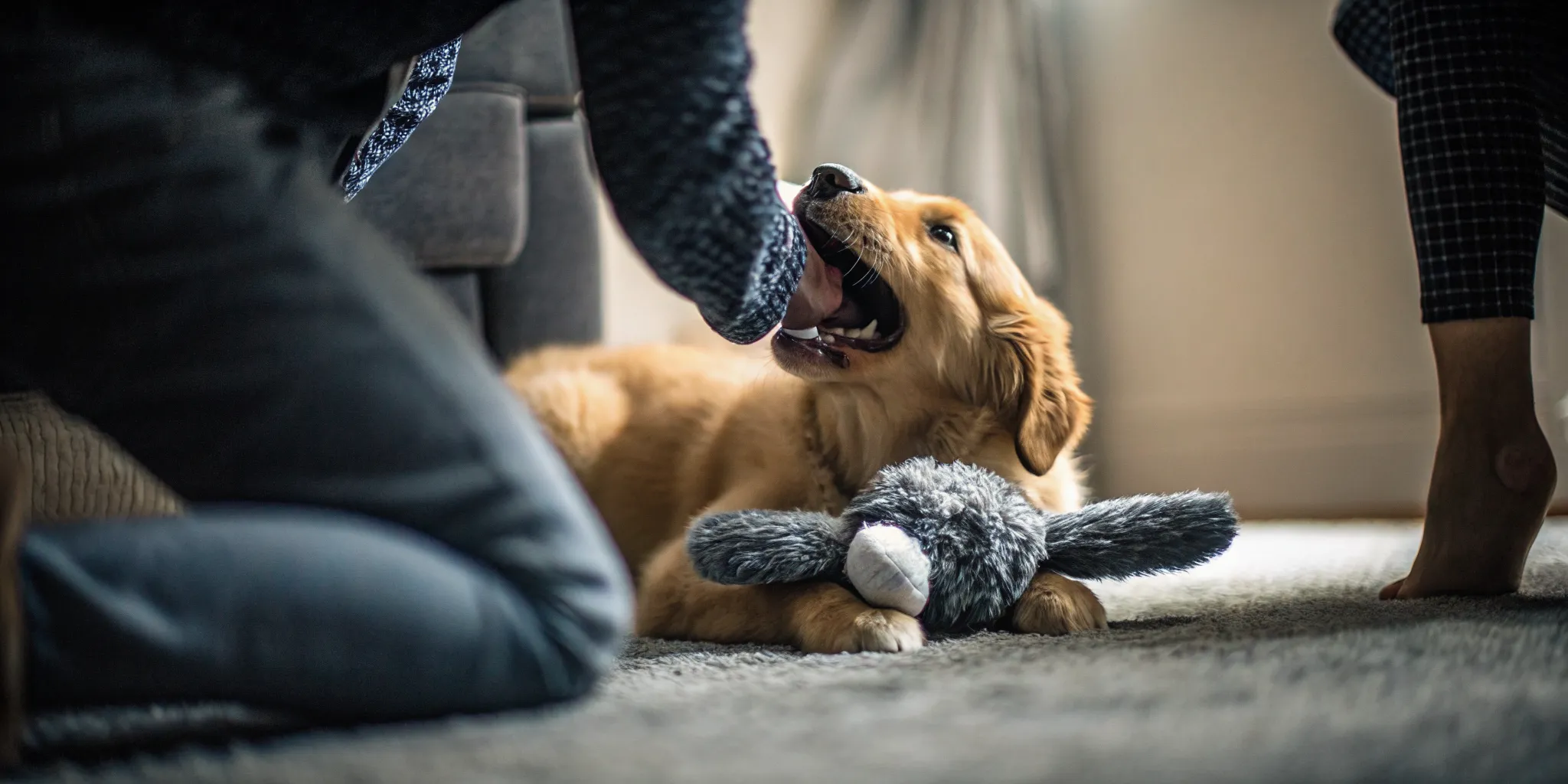
Is It Play Biting or Aggression? Key Differences
It is easy to feel worried when your new puppy uses their teeth. Most Bay Area owners want to know if they are dealing with a normal phase or a real risk. While most mouthy habits are just a way for dogs to learn, true aggression has different roots. Knowing these traits is the first step to a calm home.
Body language tells the story
One of the best ways to tell the difference is to look at the whole dog. In play, a puppy will have a soft face and a tail wag that moves their entire back end. If the dog is aggressive, they will often have hard eyes and a body that looks like a statue.
| Factor | Play Biting | Aggressive Biting |
|---|---|---|
| Body State | Loose, wiggly, or play bow | Stiff, frozen, or lunging |
| Bite Force | Soft, light, or mouthing | Hard, quick, or snapping |
| Setting | Games, greeting, or fun | Guarding food, fear, or pain |
| Growling | High-pitched yips or soft noises | Low, deep, or long growls |
| The Goal | Learning and social play | Protection or defense |
Aggressive biting involves intense body signals and deep growling with clear intent to cause harm or push someone away. If you see your puppy snap with a stiff body, it may be a sign of fear or stress. Experts note that aggressive behaviors are complex and can vary based on the specific trigger. Seeking expert help early can ensure you address these habits before they grow into larger issues.
Bottom line: Play biting is loose, soft, and social. Aggressive biting is stiff, hard, and driven by fear or guarding. If the body language looks tense rather than wiggly, that is your cue to get a professional opinion.
What Are the Red Flags in Puppy Biting?
Stiff body language and hard stare
Normal puppy play is loose, bouncy, and fun to watch. If your puppy gets stiff or stops moving while they mouth your hand, take note. This stillness is a big warning sign that the mood has changed. Aggressive biting often involves tight muscles, a low rumbling growl. And what trainers call whale eye (the white part of the eye showing as the dog looks away while holding a stiff pose). If your puppy bites and does not let go, or if the bites regularly break skin or become increasingly intense, the risk is high.
Resource guarding and fear triggers
Resource guarding happens when a puppy growls or snaps to keep you away from their food bowl, toys, bed, or a favorite spot on the couch. Some puppies bite because they feel scared or trapped in a corner. This is called fear aggression and requires a careful desensitization plan rather than punishment.
Biting without a clear trigger
What separates a normal puppy phase from a real problem? Bites that happen without a clear cause or reason. If your puppy escalates when you try to set a firm limit, do not wait. In the Bay Area, we see many owners who hope these issues will resolve as the dog gets older. But an expert evaluation can identify the real cause of the biting and build a plan that works for your home.
Bottom line: Watch for stiff body language, resource guarding, deep growling, and bites that break skin or occur without a clear trigger. These red flags warrant a professional assessment rather than at-home training alone.
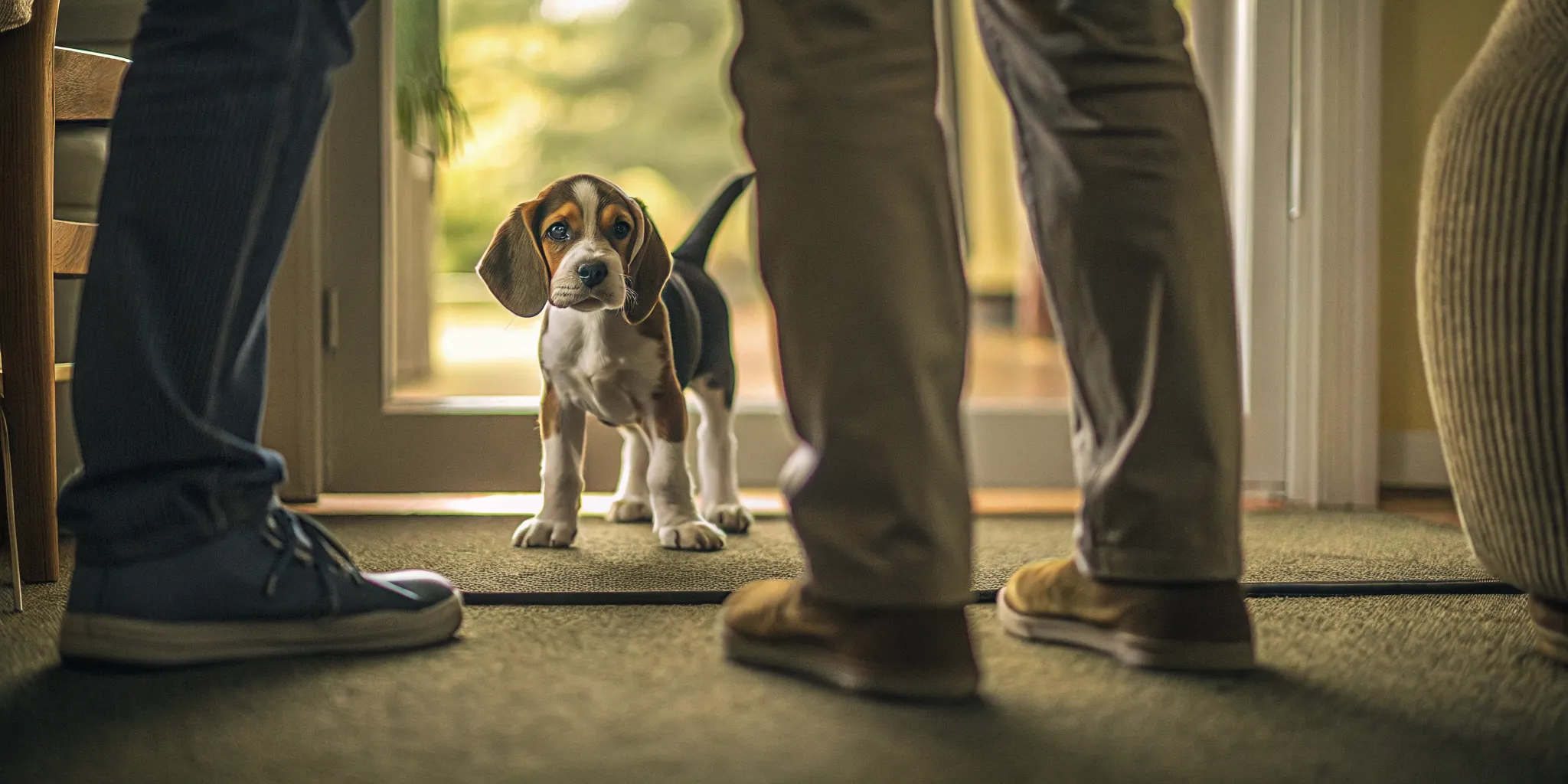
How to Redirect Puppy Biting in 5 Steps
Many Bay Area puppy owners juggle busy schedules. When a new puppy starts to nip at your hands or feet, it can feel overwhelming. Most of the time, this is just a young dog using its mouth to explore the world. Since young dogs learn quickly in their first few months, you can teach them better habits right now. Studies show that early training steps are effective at stopping biting from becoming a long-term problem.
- Trade skin for toys. As soon as you feel teeth, put a toy in the puppy’s mouth. This shifts their focus to a safe object and rewards them for biting the right thing.
- Give a clear signal. If the nip hurts, say a high-pitched ouch or make a quick yelp. This shows the puppy that play has gone too far, just as other puppies would.
- Take a short break. If the biting does not stop, turn away or leave the room for 10 to 15 seconds. Removing your attention teaches the puppy that biting ends the fun.
- Reward calm behavior. When your dog stops biting and settles, give them praise or a small treat. This reinforces the gentle habits you want to see.
- Keep a consistent routine. Stick to a firm schedule with set times for meals, walks, and rest. A steady day reduces the stress that leads to mouthy behavior. A foundational puppy training plan sets up a rhythm for naps, potty breaks, and play.
If these steps do not produce results within a week or two, the behavior may be more than normal mouthing. A professional trainer can assess whether your puppy needs a more structured approach through a Puppy Board and Train program.
Bottom line: Use the five-step redirection sequence: swap skin for toys, signal discomfort, pause attention, reward calmness, and maintain a consistent daily routine. If no improvement after two weeks, seek professional evaluation.
Preventing Problem Behaviors Before They Start
Stopping a problem before it begins is the best approach to raising a calm dog. Most puppy owners in the Bay Area want a pet they can take anywhere with confidence. This starts with early groundwork.
Early socialization
Socialization is not just about meeting other dogs. It is about showing your pup new sights, sounds, and environments in a safe way. A puppy that feels secure in new places is less likely to develop reactive behavior later. Introduce your dog to new people and different areas gradually. Each positive experience builds a confident adult.
Handling exercises
Teach your puppy to be comfortable with touch. Gently handle their ears, paws, and mouth frequently. This helps them stay calm at the vet or groomer. Food bowl exercises also help the puppy learn that people near their food are not a threat, preventing resource guarding before it starts.
Consistent structure
Structure gives a puppy a sense of safety. Crate training gives them a quiet space to rest and helps with house training. A clear routine makes life easier for both you and your dog. When you establish rules early, you avoid the common confusion between puppy biting vs aggression later on.
For busy Bay Area professionals, finding time for all of this is challenging. A board-and-train program can give your puppy the best start by building a strong foundation of good habits with professional guidance.
Bottom line: Socialize early, handle your puppy regularly, and maintain a consistent daily structure. Prevention is far more effective than correcting entrenched behavior later.
When Should You Seek Professional Help?
Most puppies nip as they learn about the world. But some biting requires an expert eye. If your puppy is over six months old and still bites hard, the primary teething phase has passed and the behavior may be more than normal mouthing.
Signs that warrant a professional evaluation
True aggression comes with distinct signs. Look for a stiff body, low growl, and hard stare when the puppy has a toy or food. These are cues of resource guarding or fear-based behavior. Research shows that early behavior intervention can prevent these issues from worsening as the dog matures. If your puppy snaps when you touch their paws or ears, or if you see intense biting that does not stop after redirection, you need professional aggression training to keep your home safe.
The value of a professional assessment
A trainer can evaluate exactly why your dog bites and whether it stems from fear, lack of structure, or a genuine aggression issue. Our Puppy Board and Train program provides a comprehensive assessment and structured training plan. We focus on lasting behavior change rather than temporarily suppressing the behavior, so your dog learns to be a calm, reliable companion in every setting.
Bottom line: Seek professional help if your puppy is over 6 months with persistent hard biting, shows stiff body language with growling, guards resources aggressively, or bites that break skin. Early intervention prevents escalation.
Frequently Asked Questions
Does puppy biting mean they are aggressive?
Most puppy biting is normal and not a sign of true aggression. Biting is a developmental stage. Puppies use their mouths to explore the world and handle teething pain. While this can be frustrating, it is usually just play. True aggression stems from fear or resource guarding. Most young dogs outgrow this phase with proper training and a consistent routine.
What is the difference between puppy play biting and aggression?
Play biting is soft, occurs during active play, and involves loose body language. Aggressive biting involves a stiff body, deep growling, and intent to harm. Studies from the National Institutes of Health show that these labels can be nuanced. Play looks relaxed and happy. Aggression looks tense and defensive. Knowing the difference helps you choose the right response.
How can I stop aggressive puppy biting?
Use redirection with appropriate chew toys and maintain a consistent daily routine. When your puppy bites, offer a toy instead of your hand. Early steps like socialization are key for bite prevention according to published research. Clear rules help your puppy understand what you expect, which prevents biting from becoming a habit.
What is a red flag in puppy behavior?
Red flags include deep growling, stiff body posture, and biting that breaks the skin. If your puppy guards food or toys with a hard stare and will not back down, you may need professional help. Early evaluation can prevent these red flags from becoming serious problems.
Ready to get expert help for your puppy’s biting?
Waiting to address mouthy habits can make them harder to correct as your puppy grows into a stronger adult dog. Starting an expert program today gives you a clear path to a well-behaved pet and a calm, happy home. To take the next step, schedule a free consultation with our training team.
Ready to schedule a free consultation for your puppy’s training? Call (510) 916-2424 today to speak with our expert team.

Tim Medina is the founder and Training Director of Medina Dogs Training, specializing in real-world obedience and behavior modification for dogs of all ages and temperaments. With more than 14 years of hands-on dog training experience, Tim brings a rare combination of practical training expertise and executive-level leadership, delivering structured, results-driven programs designed for real-world reliability.
He helps dog owners solve serious behavior challenges including aggression, reactivity, leash pulling, and lack of recall through structured, results-driven board-and-train programs. Tim also serves as a Advanced Nose Work instructor at the Marin Humane Society, bringing institutional credibility and community trust to his work.
Tim works with clients in Fremont, Stockton, Sacramento, and surrounding Northern California areas, including the East Bay, Silicon Valley, and the greater San Jose region.

