

Preparing your puppy for board and train takes more than packing food. Before drop-off, confirm health requirements, maintain consistent routines, provide honest care notes, and prepare your home for a successful transition back after training.
Explore Medina Dogs Training’s Puppy Board & Train program to see how a real-home training stay and owner coaching can support your puppy.
The best way to prepare puppy for board and train starts with body health, the right gear, and early home habits. You must check that your dog has all their shots to ensure they can safely join an expert program. Good services need up-to-date health records to keep all pets safe from common illness (AVMA). You should also pack enough of your dog’s current food to last their whole stay. Many programs also need you to handle grooming tasks, like removing mats from thick coats, before the drop-off day. Setting up a steady crate habit at home will help your puppy feel calm when they arrive. These steps create a strong base so your trainer can focus on new skills.
Taking the time to plan ahead makes the drop-off day much easier for both you and your pet. It ensures that you have all the gear ready for the new environment. The path begins with what to confirm before your puppy’s stay.
What to Do Before Your Puppy Starts Board and Train
Choosing an expert program is a big step. You want to feel sure your puppy is in good hands. To prepare puppy for board and train, start with a few key questions. These will help you know if the trainer fits your dog’s needs.
Health and safety rules
Safety should always come first. Most trainers need proof that your puppy is up to date on shots. This keeps every dog in the home safe from germs. Healthy habits and shots help puppies stay strong and ready to learn. Ask about these health needs before you book:
- Up to date vaccines
- Flea and tick protection
- Food and meds for the stay
Also, ask what happens if your puppy gets sick or hurt. A good pro has a clear plan for vet visits and will call you right away.
Clear goals and owner coaching
Talk about what you want your puppy to learn. Are you worried about leash pulling or potty training? Make a list of goals. It is also vital to ask about owner coaching. Training only works if you can keep it up at home. Ask how many coaching sessions are part of the deal. Good preparing for training success means you learn as much as your dog does.
Real world training setting
Where will your puppy sleep and train? Many places use noisy kennels. A real home setting is much better for a puppy. It helps them learn how to act in a house, not a cage. Ask if the trainer works in public spots like parks. This builds trust in the real world. You want a trainer who is open about where your puppy stays and how they spend their day.
A quick talk can help you find the right fit for your puppy’s first stay.
Your puppy board and train packing checklist
Ask your trainer for a written packing list before drop-off. Each program has its own rules, so do not assume that beds, bowls, toys, or crates are needed. Pack only approved items and label each one with your puppy’s name.
Items to pack
| Pack | Confirm first | Leave at home |
|---|---|---|
| Food in labeled portions | Treats and chews | Extra gear not requested |
| Medication in original containers | Bedding or a familiar toy | Valuable or hard-to-replace items |
| Written care notes | Leash, collar, and crate | Loose medication or unlabeled food |
Food and medication details
Send enough of your puppy’s regular food for the full stay, plus a small extra amount if the trainer requests it. Write down serving size, meal times, and any feeding concerns. Keep medication in its original container and include clear instructions that match the veterinary label.
Your one-page care sheet
Add your contact details, veterinary contact, emergency contact, feeding plan, medication notes, and known allergies. Include simple notes about your puppy’s sleep and potty routine. This gives the trainer quick, useful information without making them search through long messages.
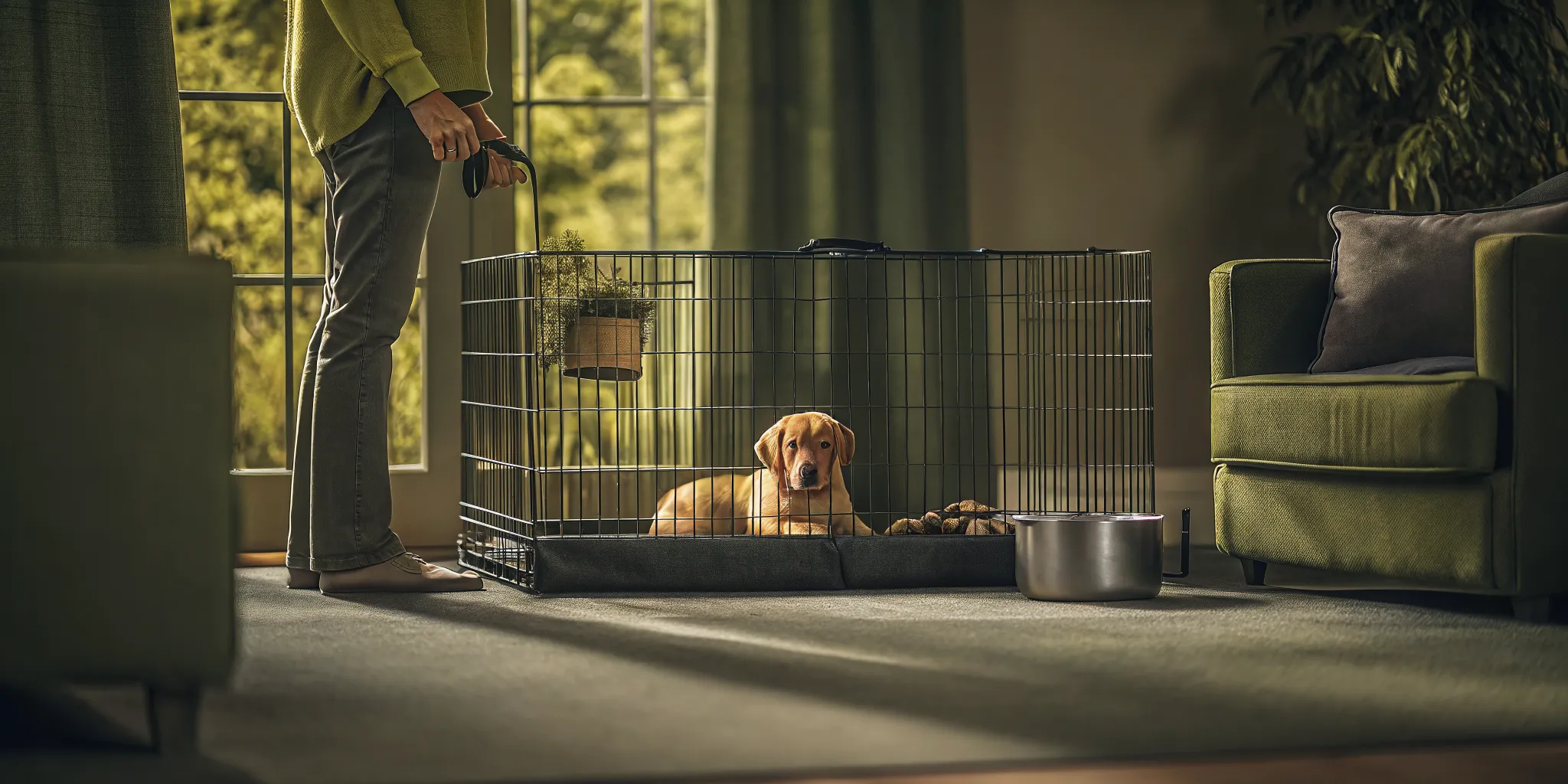
How should you prepare your puppy’s routine?
Keep meals, potty breaks, crate practice, and sleep predictable during the final 7 to 14 days before drop-off. Setting a clear path for your pet now makes the shift to a new home easier. You want to match what your pup will find in a home-based program. Starting a simple plan 7 to 14 days before drop-off helps your dog feel safe and ready to learn. This time is about building calm habits that form strong puppy training basics in Northern California.
Build crate comfort
Most programs use crates to keep dogs safe and help with house training. You can build a good bond with the crate by using toys and food. Feed meals near the door or hide treats inside for your pup to find. This helps them view the space as a cozy den rather than a cage. Per the American Kennel Club, you should always take off your dog’s collar before they go in the crate to keep them safe.
Practice handling and being apart
Your puppy will work with new trainers and meet other dogs in the East Bay or Sacramento. Getting them used to being touched on their paws, ears, and belly will help them stay calm. You should also practice short gaps where you leave the room. This stops your pup from feeling lost when they are away from you for the first time.
- Set a meal plan. Feed your pup at the same hour each day to keep their potty needs on a tight schedule.
- Play crate games. Throw a ball or a high-value snack into the crate to make going inside a fun game.
- Handle with care. Touch your dog’s feet and tail daily so they are used to the feel of a grooming or vet check.
- Build solo time. Put your pup in their crate with a chew for ten minutes while you stay in a different room.
- Stick to the plan. Avoid taking your dog on big trips or making major changes to their life in the week before boarding.
Keeping a steady pace in the days before you leave is key for a smooth start. When you prepare for your puppy board and train work, you give your pet the best chance to grow. A simple path at home helps them jump right into their new lessons with ease.
What should you tell the trainer about your puppy?
To prepare puppy for board and train, you should write a one-page sheet. This page helps your trainer know your pup’s own needs. Clear facts allow us to keep your puppy safe and happy while they learn. Our preparing for training success starts with knowing your pup’s daily life.
Daily habits and health needs
Start with feeding and sleep times. Note how much they eat and any food needs. Health facts are also vital for safety. You should share a list of recent shots from your vet.
The CDC notes that routine care keeps pets and people healthy. If your pup takes meds, list the dose and time. Tell us how your puppy acts in a crate, such as if they settle fast.
We also need to know about any fears or loud sounds that bother them. This helps us create a calm space where they feel safe. Knowing these triggers helps us keep them happy.
Actions and training goals
List the cues your puppy knows now. Even if they only listen some of the time, it helps to know their level. Share what they love most as a prize, like treats or a toy.
Knowing what to expect from board and train results helps us lead them. Be honest about bad habits like nipping or jumping too. These details help us build the right plan.
Last, tell us your top goals. Maybe you want a pup that walks well on a leash in Northern California. When you are clear about your goals, we can focus on the skills that matter most.
Prepare your home for the training handoff
Your puppy’s growth does not end when they leave our care. To get the best results, you must prepare puppy for board and train success by setting up your home first. This ensures that the new skills your pup learned stay strong for life. We focus on owner learning to help you keep these results for a long time.
Align your family’s cues and rules
Before your pup returns, make sure everyone in the house uses the same cues. If one person says “sit” and another says “down,” your dog will get mixed up. Clear rules help your pet feel safe and calm. This type of preparing for training success is vital for the best results.
Ask your trainer for a list of the exact words and hand signs they used. Write these down and post them on the fridge. This keeps your family on the same page during the first few weeks back. Teaching owners is a major part of our work, so we give you the tools you need to lead. We will also schedule a lesson to show you how to use these cues before you go home.
Set up the right home space
Set up a private spot for your puppy before they arrive. This often includes a crate and a bed in a quiet room. A crate prevents accidents and keeps your pup from chewing on things they should not touch. It also gives them a spot to rest when they feel tired or too worked up.
Keep this area clear of any dangers. You should also take off your dog’s collar before they go into the crate. This prevents the collar from getting stuck on the bars, which can be a risk for young pets. Taking this step keeps your pup safe while they sleep.
Plan for a calm return
The first few days home should be quiet and low key. It is tempting to invite friends over to see the new skills, but your pup needs time to settle in. Stick to the routine your trainer gave you. Proper vet care and a steady schedule help your dog stay healthy and happy. This puppy training basics work is the key to a happy life together.
Small practice sessions each day are better than one long one. Aim for five to ten minutes of work a few times a day. This keeps the lessons fresh without tiring out your puppy. Reach out to us with any questions. We want to see you and your pup thrive together at home.
Make drop-off calm and useful
Plan enough time to review the care sheet and answer final questions, but keep the goodbye calm and brief. A rushed drop-off can cause you to forget key details. A long, emotional goodbye can also make the handoff harder than it needs to be.
Questions to ask at drop-off
- How and when will you receive updates?
- Who should you contact with a concern?
- How will the transfer lesson work?
- What should your household set up before your puppy returns?
Focus on the handoff
Share any change in appetite, health, medication, or behavior since your first consultation. Then let the trainer begin the planned routine. Good preparation helps everyone focus on the puppy’s goals instead of missing supplies or unclear instructions.
Frequently asked questions
How far in advance should I prepare my puppy for board and train?
Start as soon as your stay is booked. Use the final one to two weeks to confirm health requirements, keep routines steady. Practice brief crate time, prepare written notes, and gather only the items your trainer requests.
Should I change my puppy’s routine before board and train?
Avoid big last-minute changes unless your trainer asks for them. A steady meal, sleep, potty, and crate routine gives the trainer a clear starting point. Share the routine honestly, including the parts that are still difficult.
What if my puppy takes medication?
Tell the trainer before enrollment and confirm that the program can meet your puppy’s needs. Send medication in its original labeled container with written directions. Also give the trainer your veterinarian’s contact details and an emergency contact.
What should I do while my puppy is away?
Prepare your home and family for the return. Agree on cues, rules, and daily responsibilities. Set up the crate or place area, save questions for the transfer lesson, and protect time to practice the new skills after the handoff.
Prepare for a smoother start
A little preparation before drop-off makes the entire board and train experience smoother for both you and your puppy. If you’re getting ready for your puppy’s stay and have questions about what to expect, we’d be happy to walk you through the process during a free consultation.
Schedule a free consultation about your puppy.

Tim Medina is the founder and Training Director of Medina Dogs Training, specializing in real-world obedience and behavior modification for dogs of all ages and temperaments. With more than 14 years of hands-on dog training experience, Tim brings a rare combination of practical training expertise and executive-level leadership, delivering structured, results-driven programs designed for real-world reliability.
He helps dog owners solve serious behavior challenges including aggression, reactivity, leash pulling, and lack of recall through structured, results-driven board-and-train programs. Tim also serves as a Advanced Nose Work instructor at the Marin Humane Society, bringing institutional credibility and community trust to his work.
Tim works with clients in Fremont, Stockton, Sacramento, and surrounding Northern California areas, including the East Bay, Silicon Valley, and the greater San Jose region.

