

Your dog may respond beautifully in the living room, then seem to forget every cue when another dog, a squirrel, or a busy sidewalk enters the picture. That is not unusual. Focus is a skill that must be practiced in the environments where you need it, not simply tested after it is taught at home.
The good news is that this problem is almost never caused by stubbornness. Most dogs simply need structured practice in the environments where distractions naturally occur.
.
Dog training around distractions means systematically building your dog’s ability to focus on you while competing sights, sounds, smells, and movement are present. Start with manageable distractions, work at a distance where your dog can still respond, and reinforce calm attention before gradually increasing the challenge.
The goal is not to make your dog tune out the world. It is to help your dog notice what is happening, make a clear choice, and return attention to you. If you are struggling with an easily distracted dog, schedule a free consultation with Medina Dogs Training to get a personalized plan for building real-world focus.
That progression begins with understanding which everyday experiences pull your dog away from the conversation.
What Does Training Around Distractions Really Mean?
A distraction is not limited to a dog barking across the street. It can be a squirrel moving through the yard, a jogger passing on a trail. Food dropped near the table, a visitor entering your home, or an unfamiliar sound in a new environment. Cornell University’s Riney Canine Health Center describes a trigger as a stimulus that causes a dog to react and diverts attention away from the handler. For some dogs that stimulus creates excitement. For others it creates uncertainty or an urge to move away.
That is why training around distractions is more than repeating “sit” in a quiet room. Your dog may understand the cue perfectly at home and still struggle to respond when another dog or a tempting scent competes for attention. The skill you are building is not simply obedience. It is the ability to notice something interesting, process it, and then return attention to you.
Focus is a choice you teach, not a behavior you demand
Effective training helps your dog stay connected with the handler. You reward a glance in your direction, a response to their name, a loose leash, or the decision to disengage from a distraction. With repetition those small choices become more dependable. The dog learns that checking in with you is worthwhile even when the environment changes. A quiet living room, a busy sidewalk, and a crowded park are not equivalent training settings. The distance from a trigger, the length of time your dog must focus, and the intensity of the environment all affect difficulty. Build one challenge at a time rather than expecting a new behavior to hold everywhere immediately.
Why real-world reliability matters
A recall, “leave it,” or leash-walking cue becomes useful when your dog can respond before a normal moment turns into pulling, chasing, or frantic behavior. Training should transfer into the home, neighborhood, and routines you share together. For owners also working on calm behavior indoors, these skills pair with teaching a dog to settle in the house as a foundation for self-control.
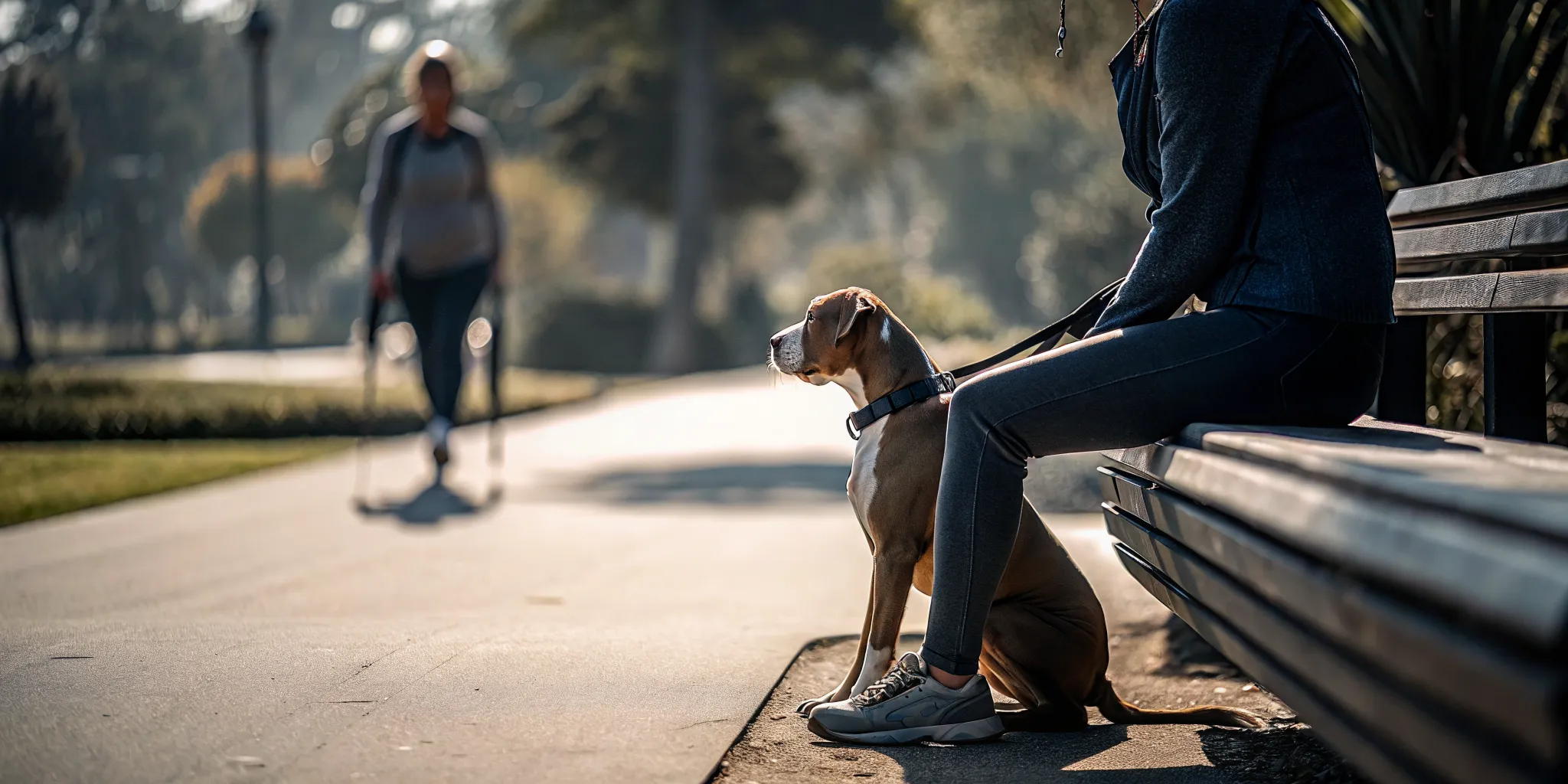
Dog Training Around Distractions: Where Should You Start Building Focus?
Begin with a calm room and a few minutes of focused practice. Put away toys, turn off the television, and ask other family members to give you space. The goal is not to test your dog against the hardest environment. It is to teach your dog that paying attention to you leads to something worthwhile.
Build attention before asking for obedience
Say your dogs name once in a pleasant tone. The moment your dog looks toward you, mark the response with praise and offer a high-value reward. Repeat until the name reliably produces a check-in, then add a brief eye-contact exercise such as “watch me.” Keep the duration short at first. A calm glance is more useful than holding eye contact until your dog becomes frustrated.
Hand targeting is another practical foundation. Present an open hand close to your dogs nose, mark the moment the nose touches your palm, and reward. Once your dog understands the game, use the target to guide a few steps, turn away from a mild sound, or return attention to you. This gives your dog a clear action when the environment becomes more interesting.
Add simple cues and generous rewards
Practice familiar cues such as sit, down, and come one at a time. Give the cue once, help your dog succeed when needed, and reward promptly. Use especially appealing treats for new skills or moments of excellent focus. High-value rewards help your dog understand which choice you want repeated. Cornell University’s guidance recommends a gradual approach starting in low-distraction settings before moving into more stimulating places.
If your dog is already struggling with stopping dog jumping and biting, build calm responses at home before practicing around visitors or exciting greetings. Controlled socialization can help puppies become more confident around new experiences. Introduce people, surfaces, and sounds at a level your dog can handle, allowing the dog to observe and return to you rather than forcing interaction.
How Do You Progressively Add Distractions?
Progressive training works best when you change one variable at a time. Begin at a comfortable distance, build the length of your dogs focus, then increase the difficulty of the distraction. If your dog cannot respond, make the exercise easier instead of repeating the cue. If you need to move farther away from the distraction, that’s not a setback. It’s smart training.
Before you set up a session, identify the specific things that cause your dog to lose focus. A trigger could be another dog, a skateboard, a person running, traffic, or a crowded environment. Knowing the trigger helps you choose a starting point your dog can handle.
- Increase distance first. Start far enough away that your dog can notice the distraction and still take food, respond to a familiar cue, or look back toward you. This might mean working across a field rather than passing another dog on a narrow sidewalk. When your dog sees the trigger, let them engage briefly, then mark and reward the moment they disengage and return attention to you. This engage-disengage game teaches that noticing something does not require pulling, barking, or rushing toward it. If your dog cannot disengage, calmly increase distance and try again.
- Increase duration second. Once your dog can refocus reliably at that distance, ask for slightly longer attention before rewarding. Begin with a brief check-in, then gradually work toward a few seconds of eye contact, loose-leash walking, or a simple cue while the distraction remains present. Keep the reinforcement frequent enough to support success. When you practice in a new environment, temporarily lower your expectations. A dog that can focus for twenty steps in a quiet setting may need rewards after only a few steps near a new distraction.
- Increase difficulty one variable at a time. Make the distraction more challenging only after distance and duration are dependable. Change one factor, such as the type of distraction, its movement, the location, or the amount of activity around you. Do not move closer to another dog, add a crowded park, and expect a longer stay in the same session. Purdue University service dog evaluation standards include maintaining attention and heel position while walking through a crowd, showing why calm focus must eventually transfer beyond controlled practice. Review the Purdue service dog evaluation standards for that real-world expectation.
Keep sessions short and finish after a successful repetition. Owners who apply this progression systematically often see faster results, which is why many choose programs like puppy board and train or adolescent and adult board and train for structured practice with professional guidance.
How Do You Know When Your Dog Is Not Ready for More?
Progress is not measured by how close your dog can get to a trigger. It is measured by whether your dog can notice the distraction and still make a workable choice. Watch for these signs:
- Known cues disappear. Your dog may reliably respond to “sit” or their name at home, then ignore the same cue outside. That usually means the environment is too difficult, not that your dog is being stubborn.
- Focus breaks completely. Your dog turns away from you, locks onto the distraction, scans intensely, or cannot take a familiar reward.
- Your dog pulls toward the distraction. Tight leash pressure, forward weight, or frantic movement are signs the setup is beyond your dogs current skill level.
- Stress appears in the body. Panting when it is not hot, lip licking, a whale eye, or a stiff body can signal that your dog is uncomfortable.
What to do when your dog struggles
Increase distance first. Move away from the trigger until your dog can orient back to you. If distance is limited, lower the distraction intensity by choosing a quieter location, reducing movement, or practicing with a less exciting version of the trigger. Cornell University’s guidance recommends avoiding known triggers while a training plan is being built. Repeatedly allowing a dog to rehearse pulling or lunging can make that response more established. Skipping a difficult walk or crossing the street is not failure; it protects the foundation you are developing. For more support on outings, see our guide to a calm reactive dog walk.
| Ready to Progress | Needs More Practice |
|---|---|
| Dog notices the distraction then looks back at you. | Dog locks onto the distraction and cannot disengage. |
| Body is relaxed, soft mouth, loose posture. | Stiff body, whale eye, lip licking, or excessive panting. |
| Responds to a familiar cue near the trigger. | Ignores known cues as if the dog has not heard them. |
| Can take a reward near the distraction. | Refuses food or appears too aroused to eat. |
Readiness often looks quiet. Your dog notices the distraction, then checks in with you before reacting. Reward that check-in and keep the session manageable. When your dog can repeat that choice reliably at the current level, you have a strong reason to add only one new challenge at a time.
What Does Real-World Practice Look Like?
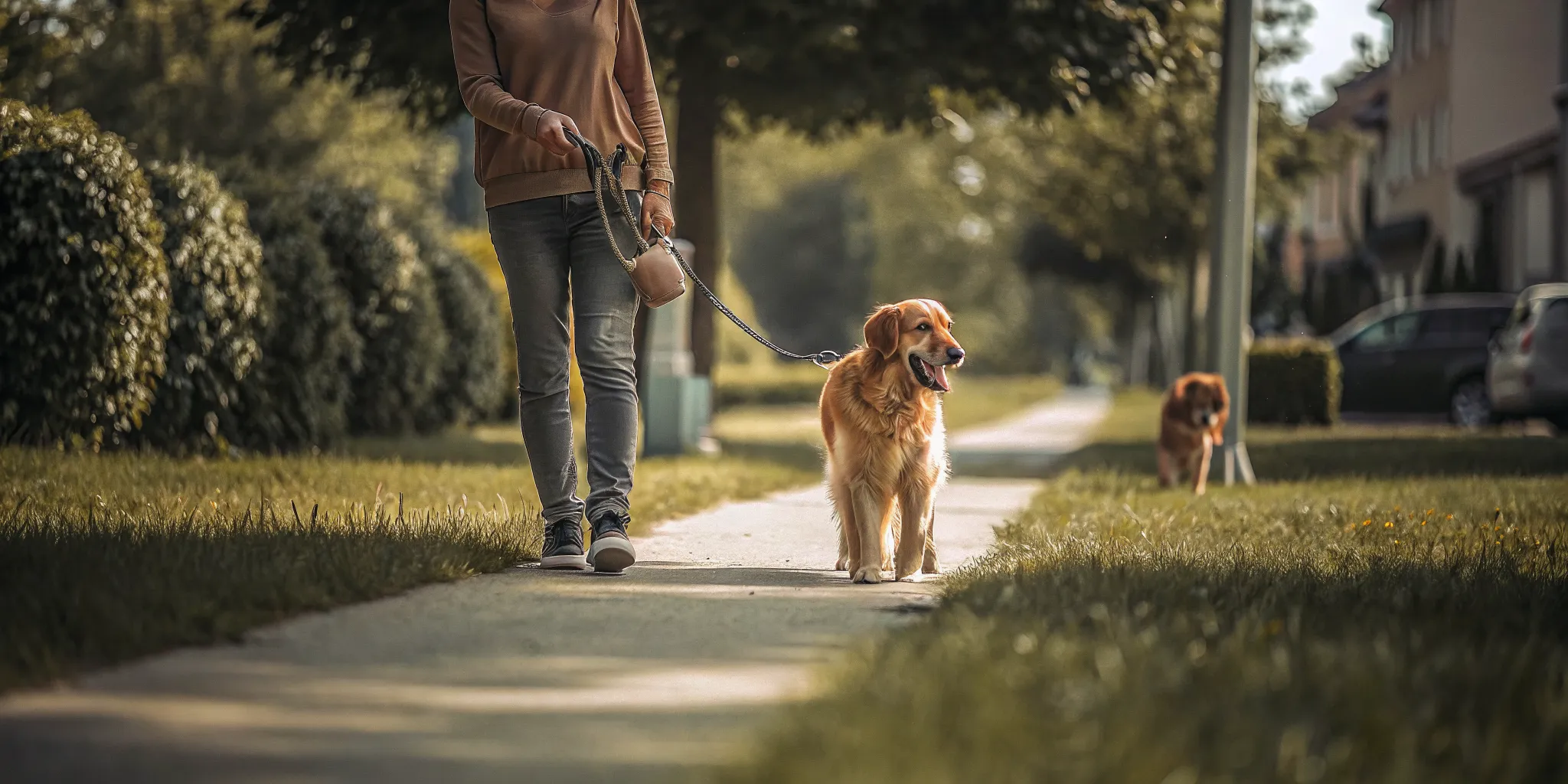
Practice should move beyond a quiet room and into the places your dog actually needs to navigate. On walks, begin with enough distance from other dogs, bicycles, and traffic that your dog can still respond. Ask for a simple check-in, reward it, and continue moving. If your dog cannot disengage, create more space rather than repeating the cue louder. Some dogs behave comfortably off leash but become reactive while restrained, so on-leash practice deserves its own careful progression.
Use the ask-readiness test
Before allowing your dog to approach a distraction, ask: does your dog look to me first? That glance shows the dog is still available for guidance. Reward it generously. If your dog locks on, pulls, or stops responding, the setup is too difficult. Increase distance or return to an easier environment.
Practice the routines your dog lives with
At home, rehearse calm behavior when someone knocks or enters. At the veterinarian, reward attention in the lobby and near unfamiliar handling. At an outdoor cafe, start at a quiet table and reinforce settling as people and movement pass by. These short repetitions matter more than occasional, overwhelming outings. Consistency is what transfers training into daily life, whether you are walking through a Bay Area neighborhood or managing a Sacramento-area errand.
Owner consistency is what transfers training into daily life. Use the same check-in expectation and clear reward pattern wherever you go. For dogs that need structured help with impulse control around triggers, explore impulse control training for reactive dogs or dog neutrality training for deeper focus work. If you are considering a structured program, our behavior modification services address the root causes of distraction and reactivity through real-world practice.
Frequently Asked Questions
How do you start dog training around distractions?
Begin in a quiet setting where your dog can respond to familiar cues, then introduce one mild distraction at a comfortable distance. Identify the specific triggers that cause your dog to lose focus, and increase difficulty only after your dog is consistently successful. Cornell University’s guidance recommends a gradual approach and avoiding known triggers early so unwanted reactions do not become practiced habits.
What is the best way to keep a dogs attention around distractions?
Teach a clear check-in or “watch me” cue in a calm environment, then reward your dog immediately for looking back at you. Use rewards your dog genuinely values and keep sessions short. As the environment becomes harder, make it easier for your dog to succeed by increasing distance or shortening the duration.
How can I train my dog to ignore distractions on walks?
Start far enough away that your dog can notice the distraction without pulling or fixating. Reward voluntary check-ins and move away before your dog becomes overwhelmed. Some dogs behave comfortably off leash but react on leash, so practice the exact walking situation you want to improve.
What should I do if my dog ignores me around distractions?
Do not repeat the cue or correct your dog after the situation has become too difficult. Increase distance, lower the distraction level, and reward easy behaviors at a higher rate. If your dog cannot eat, respond, or disengage, treat that as useful information that the current step is too challenging, not as a reason to push harder.
Are there games to help train my dog around distractions?
Yes. The engage-disengage game, check-in exercises, and the “1, 2, 3” game can teach your dog to notice the environment and then return attention to you. Begin with low-intensity distractions, reward calm choices, and gradually vary the location, distance, and duration.
Ready to Build Focus That Lasts?
Training around distractions becomes most useful when it carries into walks, visitors, and everyday life. If your dog struggles to stay connected when the environment gets busy, a clear plan can help you practice at the right level and build consistency. Schedule a free consultation with Medina Dogs Training to discuss practical next steps for helping your dog thrive around real-world distractions.

Tim Medina is the founder and Training Director of Medina Dogs Training, specializing in real-world obedience and behavior modification for dogs of all ages and temperaments. With more than 14 years of hands-on dog training experience, Tim brings a rare combination of practical training expertise and executive-level leadership, delivering structured, results-driven programs designed for real-world reliability.
He helps dog owners solve serious behavior challenges including aggression, reactivity, leash pulling, and lack of recall through structured, results-driven board-and-train programs. Tim also serves as a Advanced Nose Work instructor at the Marin Humane Society, bringing institutional credibility and community trust to his work.
Tim works with clients in Fremont, Stockton, Sacramento, and surrounding Northern California areas, including the East Bay, Silicon Valley, and the greater San Jose region.

